Sunday, December 31, 2023

Private space companies also make moon landers.

 Private space companies also make moon landers. 


Private Peregrine moon lander stacked in ULA (United Launch Alliance) Vulcan rocket. And it's ready for lift-off on January 8. 

Peregrine moon-lander looks like any other moon lander. The difference is that Peregrine is a private project. That is a good example of flexible innovations. A private corporation makes the moon-lander. That can take samples from the Moon's surface. Private space corporations are rising actors in space research in technical and scientific ways. 

Private corporations offer flexible platforms that can operate with things like space stations and other similar things. Private space industries are not only communication satellites. The private space industry also wants to benefit from low- and zero-gravity conditions for laboratories. 

And remote-controlled miniature shuttles can also operate as manufacturing platforms for complicated molecules and nanomechanics. This is one of the reasons why civilians are also interested in Scramjet engines and hypersonic flight. 

The air-breathing scramjets offer the possibility to make a cheap and effective launch platform for miniature shuttles that can used as remote-controlled laboratories. When those systems finish their operations. They can return the merchandise to the ground. That is one reason why those miniature robot shuttles are under development. 


"The Peregrine prior to being loaded atop the ULA Vulcan rocket (Image credit: Astrobotic" (Space.com/Private Peregrine moon lander is stacked on ULA Vulcan rocket ahead of Jan. 8 launch)
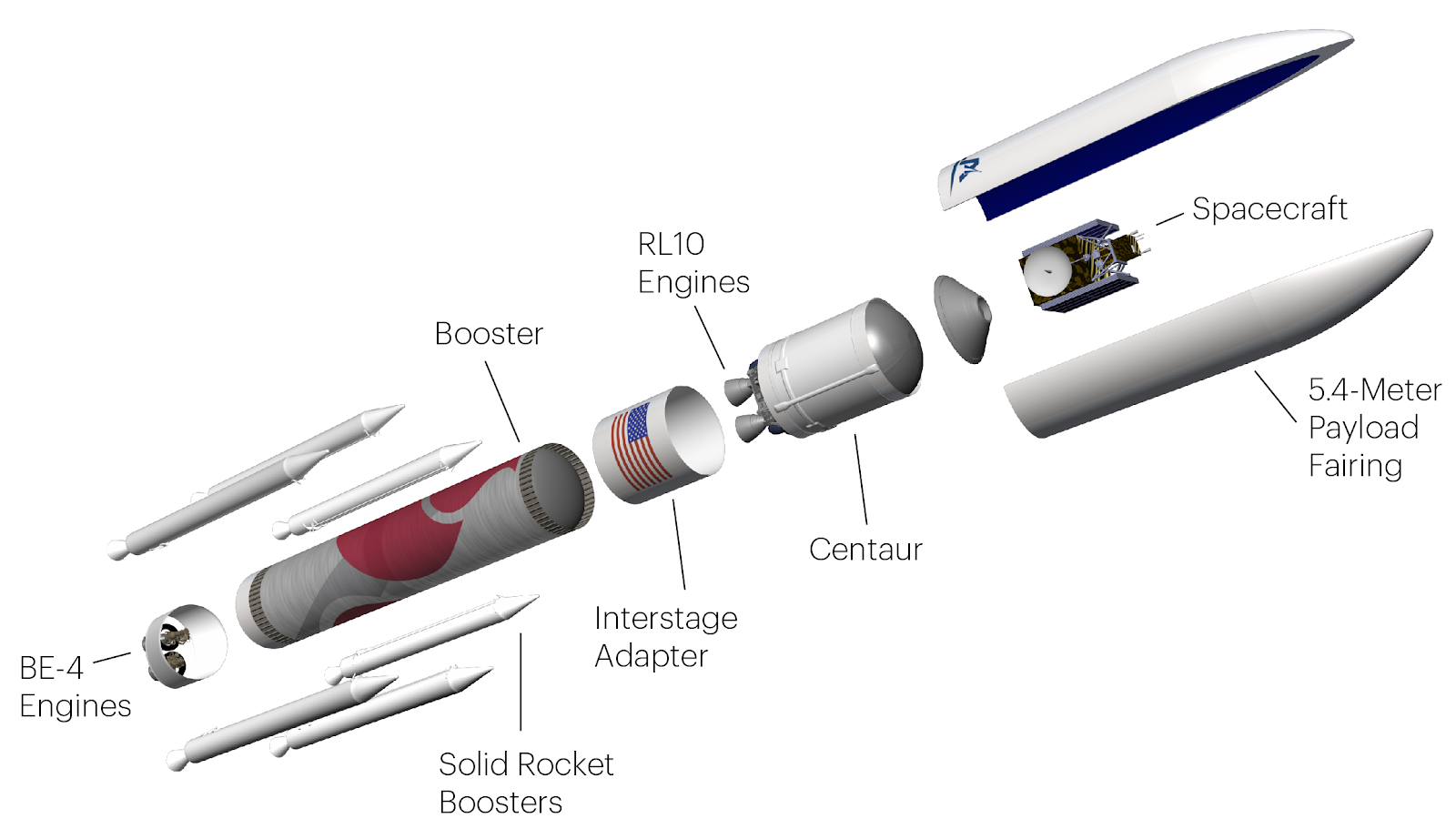

ULA:s Vulcan-Centaur rocket. 


"Artist's illustration of ispace's Series 2 robotic lander on the surface of the moon (Image credit: ispace)" (Space.com/Japan's ispace shows off a tiny moon lander for its 2nd moon mission in 2024)


Another system that travels to the Moon is the Japanese miniature lander. The Japanese "ispace" corporation introduces its miniature moon-lander along with miniature rovers. The miniature space systems allow to creation of new models for moon and planetary missions. 

A large number of AI-controlled miniature landers and drone swarms can used as the non-centralized solution for space missions. The system can be based on miniature actors. They have different types of sensor packs. Those systems can connect their abilities in their entirety. And that thing is the base of drone swarms. 

A large number of simple and cheap systems can form a drone swarm that acts like one complicated system. The difference between those drone swarms and one complicated system is that. Destruction of one drone doesn't destroy the entire swarm. 

Another remarkable thing is that miniaturized technology makes it possible also small robots can carry multiple sensors and effective computers. That allows them to run complicated AI algorithms. That allows them to make versatile operations. 

That base is in non-centralized calculations and the ability to connect their data into one entirety. Traditional space systems are large and complicated systems. The smaller but larger group of different probes makes it possible that even if one participant's mission fails. The mission can continue. Also, a swarm of landers or drones can cover a larger area. Then one single lander. In some visions, similar helicopter technology that operates on Mars can be used with those landers. 

Those systems can equipped with Kamov-type opposite rotating rotors, and they can carry the drone that is equipped with seismic sensors and sample-taking systems. Things like miniature magnetometers and laser spectrometers make those systems flexible and versatile tools. 


https://www.space.com/peregrine-moon-lander-stacked-ula-vulcan-rocket

https://www.space.com/japan-ispace-moon-lander-2nd-mission

https://www.ulalaunch.com/rockets/vulcan-centaur

https://en.wikipedia.org/wiki/Ispace_(Japanese_company)


Metamaterials: the key for making self-assembly layers and machines.

  Metamaterials: the key for making self-assembly layers and machines.


Metamaterials especially metamaterials that can return to their original shape after damage are interesting and revolutionizing tools. Most of those materials are in the polymerase chain reactions. One version. How to make this type of self-assembling material is to connect the polymer with the metal bites. In the simplest model, the self-chaining polymer makes a platform. 

The system puts the metal bites over that network. Then it melts metals over the polymer network. In some other models at the edge of the metal is the polymer. When those metal alloy plates. Or, as an example metal-silicone compounds will take close to each other. The polymers make touch with each other. In some visions, this kind of thing can made using DNA-controlled crystals. That thing can be an artificial silicone-based lifeform. 

*************************************************************


"A 3D-printed Möbius strip (left) and odd-numbered metaring (right). These are both non-orientable objects that will necessarily have a point along the ring that does not deform. Credit: Xiaofei Guo" (ScitechDaily.com/Unlocking the Secrets of Mechanical Memory in Metamaterials)


"A 3D-printed Möbius strip (top) and two odd-numbered metarings (middle and bottom). These are all non-orientable objects that will necessarily have a point along the ring that does not deform. Credit: Xiaofei Guo". (ScitechDaily.com/Unlocking the Secrets of Mechanical Memory in Metamaterials)

*************************************************************

In some models, genetically engineered silicon algae can make complete silicone structures. And then the system can melt metal alloy over that structure. The silicone algae are tiny algae with a silicone shell. 

It's possible. That genetically engineered bacteria can spin the silicone network that is like silicone canvas. That is a good platform for metal structures. 

If we have metamaterial, that can return to its original shape after damage. That kind of thing makes SciFi movies true. This kind of material is introduced in Stephen King's novel "Christie". In some visions, the holes in metamaterial can fixed by putting the plate in the hole. 

And then that material simply melts itself into the hole. In some visions, damage makes small wires or "hair" in that kind of metamaterials. Then the repairment system just puts the repairment bite at that point. And then it conducts electricity in that thing. That makes those bites melt into one piece. But if that process is possible to make without outcoming effects. That makes those metamaterials more effective. 

Self-assembling metamaterials require some kind of mechanical memory, that controls the movements of those layers. Benefiting those things requires complete knowledge of mechanical memory. When researchers find how that thing works they can make many new things. And one of them is self-repairing structures. 

Metamaterials are new things in robotics. The system allows to make the new type of complicated structures. And those kinds of things are the new types of tools in space and other places. There are needed ultimate strength and flexibility.


https://scitechdaily.com/unlocking-the-secrets-of-mechanical-memory-in-metamaterials/

Saturday, December 30, 2023

Space X's Falcon Heavy carried a mysterious X37B shuttle to the orbiter.

 Space X's Falcon Heavy carried a mysterious X37B shuttle to the orbiter. 


When we see the timing of this flight, we must ask one question. Does the X37B robot shuttle flight have a connection with the Chinese Shenlong Shuttle's flight? Both of those shuttles are quite similar. So that can mean that Shenlong and X37B might have similar missions.  The term "Shenlong" means "God dragon" or "Divine dragon" in Chinese mythology. 

And that supports the theory that Shenlong's mission is also to collect antimatter from space. And Shenlong is also suitable for anti-satellite and anti-ballistic missile operations, as well as, military intelligence duties. Because X37B and Shenlong are both highly secretive, their main operator could be the military. 


X37B

The thing is this. Falcon Heavy rocket rises that X37B shuttle to a very high altitude, where it can take images and affect another satellite. Very good ability to change trajectory makes those systems suitable satellite killers that target GPS and other important satellites that are needed for combat support.

The miniature robot shuttles are tools that the military needs for some unique missions In some visions those shuttles are the next-generation multimissio platforms that can even act as nuclear weapon carriers. Miniature shuttles can take hydrogen bombs in their cargo bay and act as super-kamikaze drones. 

Robot shuttles are multimission tools. They can operate in space for a very long time in a mode. Where their systems only store information. That means those shuttles can hover in space and record data on their hard disks. Then that shuttle can return to base, where that data will download to the servers for analysis. 

That makes. This kind of system useful tool for ELINT (Electronic Intelligence) missions. The fact is that there are lots of hidden things in those robot shuttles. Their only operator is the military, and that means their scientific missions must have some kind of connection with military work. And in most scenarios, those scientific tests serve the weapon research. 


https://www.space.com/spacex-falcon-heavy-x-37b-space-plane-launch-success


https://en.wikipedia.org/wiki/Boeing_X-37


https://en.wikipedia.org/wiki/Shenlong_(spacecraft)


Shenlong in Chinese mythology

https://en.wikipedia.org/wiki/Shenlong   

Friday, December 29, 2023

The groundbreaking advance in nanotechnology.

   The groundbreaking advance in nanotechnology. 


Researchers connect nanoparticle quasicrystals using DNA. This kind of technology makes us rethink DNA and its ability to operate as a chemical computer program that controls nanomachine and other complex structure's self-assembly. The researchers took ideas for that kind of from hypothetical silicon-based lifeforms. 

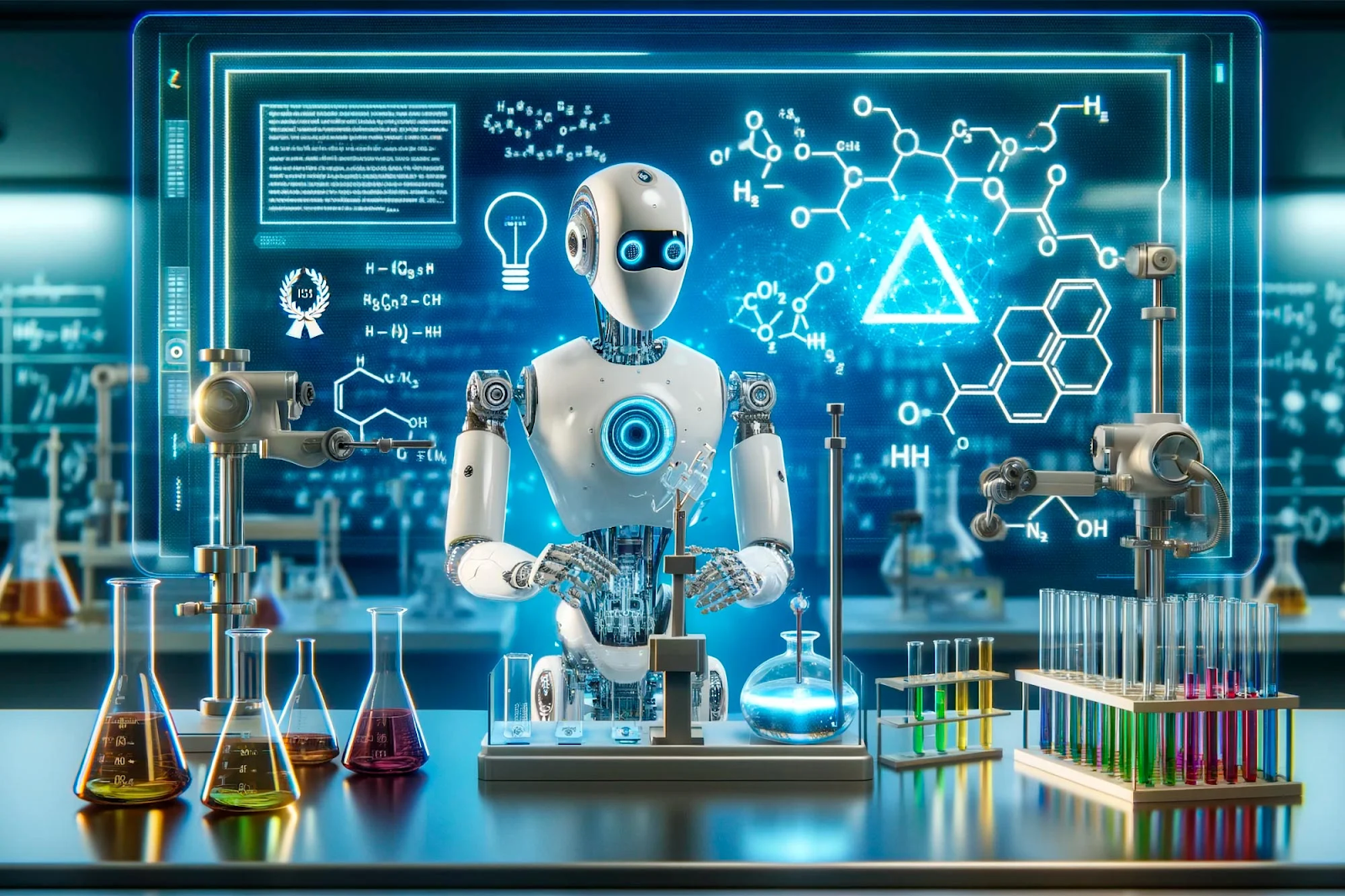
The AI that connects laboratories in its entirety will revolutionize chemistry and nanomachine research. The name of that system is "AI-based co-scientist". The idea is that AI makes practical work in the laboratory. That is usually left for ungraduated students. Those mechanical works offered unwanted people like industrial spies to slip into the laboratory. 

********************************************************************


"The simulation shows the decahedra packing together into a quasicrystalline structure on the left, with a diagram of the structure on the right. Credit: Glotzer group, University of Michigan." (ScitechDaily.com/Revolution in Material Science: Scientists Construct Nanoparticle Quasicrystal With DNA)


"Coscientist, an AI developed by Carnegie Mellon University, has autonomously mastered and executed complex Nobel Prize-winning chemical reactions, demonstrating significant potential in enhancing scientific discovery and experimental precision. Its ability to control laboratory robotics marks a major leap in AI-assisted research. Credit: SciTechDaily.com" (ScitechDaily.com/From Code to Chemistry: Coscientist, the AI System Mastering Nobel Prize-Winning Reactions)

*******************************************************************

This experiment shows that AI-based laboratory systems can create DNA. That can make structures act like cells. The DNA can control crystal and structure self-assembly. And that thing makes new types of complicated physical systems possible. The DNA-controlled physical machine self-assembly will make the next-generation nanotechnology possible. Nanotechnology makes possible the mass product of complicated nanostructures and reprogramming bacteria. 

Coscientist is the artificial intelligence that controls the laboratory and supervises the work of scientists. That thing should make scientific work safer, more valuable, and more accurate than ever before. The scientists are algorithms that control things like warnings against unauthorized chemical compounds and unauthorized production of narcotics or toxic materials. 

That scientist can also observe that people who deserve honor will get honor for work, that they have done. The scientists can also make old-fashioned access cards and keys unnecessary. The AI-based systems can recognize people by using multiple different biometric details like the retina, fingertips and maybe even DNA that it takes from the skin. The AI-based coscientist can make notes about used variables. And it can act like Chat GPT. The human scientist gives certain values to the system, and then the AI-based co-scientist does the duties like turning test tubes. 

AI-controlled laboratories are the new type of tools in advanced chemistry. AI can make sensor fusions for the laboratory. It can control fixed instruments like cameras and optical and electron microscopes. And human-looking robots and possible drones that can operate in highly accurately calculated chemical and physical environments. That environment makes it possible to calculate the reactions of the non-stable or complicated bonds with very high accuracy. 


https://scitechdaily.com/from-code-to-chemistry-coscientist-the-ai-system-mastering-nobel-prize-winning-reactions/

https://scitechdaily.com/revolution-in-material-science-scientists-construct-nanoparticle-quasicrystal-with-dna/

Thursday, December 28, 2023

Ultrasound systems can also revolutionize medical work.

    Ultrasound systems can also revolutionize medical work. 

The ultrasound helmet can observe blood flow in the brain while a person operates in real-world situations. That kind of system can create images and help predict possible blood flow anomalies in the brain. If one system has multiple uses that makes it more effective. 

3D scanning ultrasound sonar systems are tools. That can create 3D images of the inner organs. A functional ultrasound system (fUS) is used to operate as the BMI (Brain Machine Interface) sensor system. As I wrote in the last text.  The use of ultrasound-based systems in the BMI cuts unnecessary data away from the control system. 

If the receiving system must filter no-relevant or unnecessary data away from data flow it requires a hard operating system. That makes the system The EEG-based systems input too much data to a computer, and too accurate data makes things like welding robots slow, and the fact is, that all robots must not have the ability to work as surgeons. 

***********************************************************


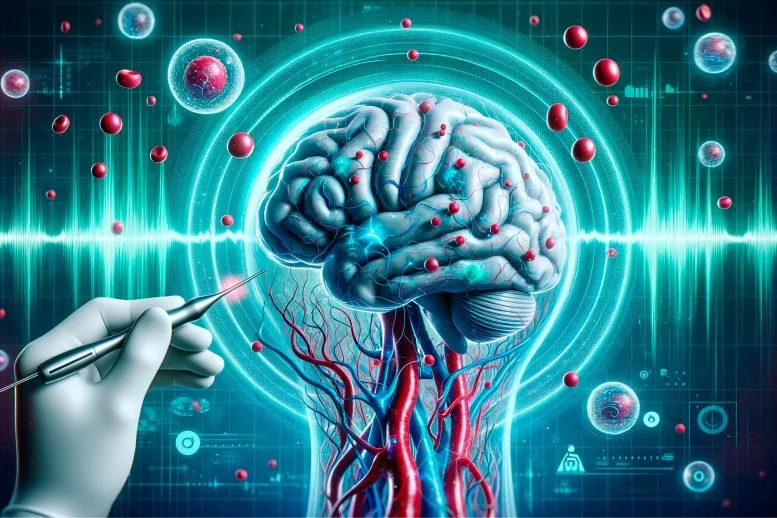
ETH Zurich researchers have shown for the first time that microvehicles can be steered through blood vessels in the brains of mice using ultrasound. They hope that this will eventually lead to treatments capable of delivering drugs with pinpoint precision.

*A technology developed at ETH Zurich over the past few years for controlling microvehicles using ultrasound also works in the brain, as researchers have now been able to show.

*These microvehicles are gas bubbles, which are harmless and dissolve once their job is done.

*In the future, these microvehicles could be equipped with medications and deliver them to specific points in the brain. This may increase the efficacy of the drugs and reduce their side effects.

(ScitechDaily.com/Brainwave Riders: How Ultrasound Microbubbles Could Change Medicine)


"Scientists have developed a novel family of polymers that effectively kills bacteria, including E. coli and MRSA, without causing antibiotic resistance. This breakthrough, involving multidisciplinary collaboration, marks a significant step in addressing the public health threat posed by superbugs. Credit: SciTechDaily.com" (ScitechDaily.com/Bacteria-Killing Marvel: Scientists Develop Polymers That Defeat Antibiotic-Resistant Superbugs) The problem is how to get those polymers near bacteria. And ultrasounds can be one of the solutions. 


*********************************************************


But the functional ultrasound system (fUS) can also operate as the controller that drives medicals, like new nanotechnical polymers and nanobubbles to the right points. The new nanopolymers are like springs that go inside bacteria. And then the bacteria's enzymes launch that spring, which destroys the bacteria cells by cutting their protein shells. The system can drive those polymers to the right point using sound impulses.

Another tool that is mentioned is the so-called nano-and microbubbles. Researchers at the ETH Zurich, the University of Zurich, and the University Hospital Zurich have researched ultrasound-controlled micro-size gas bubbles to detect anomalies in the brain. Ultrasound systems are more effective tools than magnetic fields because those systems don't need magnetic material for interactions. 

Those micrometer-sized bubbles can brought to the body from outside or the system can create them in the blood vessels. The system can adjust the size of those bubbles and that helps the use of them to open blood vessels. The nanobubbles can also destroy bacteria. In some visions, the genetically engineered bacteria carry a small ultrasound system and it can create those bubbles using fast spinning fibers. The "local" ultrasound system can control those bubbles with extremely high accuracy. 

 In the future, the ultrasound system can create those bubbles by shaking blood cells or some polymers that are in blood vessels.  Nanobubbles can used to close blood vessels from the tumor. The system can also make nanobubbles by using the low pressure that impacting soundwaves are making. Those soundwaves can fill bacteria with nanobubbles, which makes them unable to operate. 


https://scitechdaily.com/bacteria-killing-marvel-scientists-develop-polymers-that-defeat-antibiotic-resistant-superbugs/


https://scitechdaily.com/brainwave-riders-how-ultrasound-microbubbles-could-change-medicine/


https://scitechdaily.com/brainwave-riders-how-ultrasound-microbubbles-could-change-medicine/

Ultrasound-based Brain-Computer Interface is a breakthrough technology.

  Ultrasound-based Brain-Computer Interface is a breakthrough technology. 


Functional ultrasound (fUS) is the new way to make the functional BMI (Brain Machine Interface). The BMI is almost the same as BCI (Brain-Computer-Interface), where the controller uses a computer or machines using brain waves or some other details like brain area activation. The BCI can be BMI, but the main difference is in accuracy and methods of how the system detects the changes in brain activity. 

The BMI is less sophisticated than BCI. The full-scale BCI allows to write to be created using EEG. The BMI must only move the hands or feet of robots. And that means BMI is easier to make because it requires less accurate information. 

Normally, we can think that BCI is the keyboard. The operator is used by the EEG or some other method. If we want to control some machine, we can use it by using the keyboard. But that method is not very effective. For controlling machines, we have joysticks and VR gloves. 

That allows us to see how brains are operating. That system requires very highly accurate systems. However, the BMI requires only information on what brain area and sub-area is activating. 

The idea of the BMI is that the system searches the brain area activation. Another way to see what brain areas are activating is to follow the blood flow into certain brain areas. The system is easier to make than people think. The movements of the left hand come from certain brain areas in the right brain. And movement of the right hand comes from the left brain. 


"The latest advancements in Brain-Machine Interfaces feature functional ultrasound (fUS), a non-invasive technique for reading brain activity. This innovation has shown promising results in controlling devices with minimal delay and without the need for frequent recalibration. Credit: SciTechDaily.com" (ScitechDaily.com/Mind Control Breakthrough: Caltech’s Pioneering Ultrasound Brain–Machine Interface)


Ultrasound-based BMI is the newest technology in non-surgical BMI.  The ultasound systems detect changes in the brain blood flow in blood vessels. That thing allows the interface that be error-free in electromagnetic fields. 

Regular BCI used MRI (Magnetic Resonance Imaging) based systems. That makes them vulnerable to electromagnetic fields. Ultrasound-based 3D imaging systems also can detect changes in brain activity using ultrasound. And that thing is one step toward safe, easy-to-use, and non-surgical BMi systems. The accuracy of those systems that use the blood flow as the tool, and how to observe the changes in brain area activation is lower than EEG-based systems. 

BMI doesn't require very high accuracy. But if the user wants to write texts or something like that the user needs virtual keyboards. 

The virtual keyboard can be virtually very large. The BMI user can move the virtual robot hand on the screen. And that allows users to write things for computers. 

The other user interfaces fill the BMI. The speech-to-commands applications allow us to give spoken commands to computers and robots. Sometimes noisy environments or non-certain speech cause trouble for computers to understand commands. And that requires the virtual keyboards. 

But things like virtual keyboards and other kinds of tools can make this kind of system so accurate, that they are suitable for everyday work. The action-camera-based UI (User Interface) is a small media projector that projects images to the table. The system sees from the action camera which virtual button the user pushed. 

The VR-based UI uses a virtual keyboard that the user sees in VR glasses. Then the user must only move their fingers on air. The system just positions finger movements to the virtual keyboard by connecting data from action cameras. The system makes calibration using a couple of static points. Then it asks the person to point a finger on some letters. That kind of system can fill the BMI systems. And give it higher accuracy. 


https://scitechdaily.com/mind-control-breakthrough-caltechs-pioneering-ultrasound-brain-machine-interface/

Superconductors and LEDs play a vital role in next-generation computing.

   Superconductors and LEDs play a vital role in next-generation computing. 


Optical or photonic computers are effective tools because they can act as a gate, between quantum and binary computers. The thing that makes them more effective than electric computers is their temperature is lower. That gives them the ability to operate longer at full power. The difference between photonic computers and regular electric computers is photonic computers can keep their maximum power at room temperature. 

This is one reason why superconductors are under research. The superconductor or electricity without resistance will solve the temperature problems of high-power computers. In normal computers, resistance causes the temperature to rise. And that disturbs the computer's internal data transmission. 

Materials like promising LK-99 shattered, and researchers think. That internal superconductivity at room temperature is impossible. However pressure-based superconductivity is under development or research. 

The solid-state quantum computer that operates at room temperature requires room-temperature superconductors. The qubit that travels in the wire is very sensitive against outcoming radiation and effects. The superconductor makes it possible to control the qubit states. In binary computers, the superconductor keeps the temperature low. 


************************************************************************


"Chip scale, ultrafast mode-locked laser based on nanophotonic lithium niobate. Credit: Alireza Marandi" (ScitechDaily.com/Tiny but Mighty: How a Laser on a Chip Is Changing the Game in Photonics)


"X-ray absorption spectroscopy, an essential tool in material analysis, has evolved with the advent of attosecond soft-X-ray pulses. These pulses allow simultaneous analysis of a material’s entire electronic structure, a breakthrough led by the ICFO team. A recent study demonstrated the manipulation of graphite’s conductivity through light-matter interaction, revealing potential applications in photonic circuits and optical computing. This advancement in spectroscopy opens new avenues for investigating many-body dynamics in materials, a key challenge in modern physics. Credit: SciTechDaily.com (ScitechDaily.com/Quantum Leap in Graphite: Attoscience Lights the Way to Superconductivity)


"Researchers from the University of Surrey and the University of Cambridge have discovered how LED bulbs, using metal-halide perovskites, can facilitate fast data transmissions. This breakthrough in LED technology could revolutionize home and office networks, significantly enhancing data communication speeds and efficiency." (ScitechDaily.com/Illuminating the Future: How LED Lights Could Revolutionize Internet and Data Transmission)


************************************************************************

The room-temperature superconductor is possible, but it requires very high pressure. The room-temperature superconductor requires about 200 GPa pressure. The laser-based systems that are used in fusion tests can create that pressure in the 2D carbon atom layer. 

Researchers found a new fundamental way to turn carbon into a superconductor. They used attosecond soft X-ray laser impulses to turn graphite or 3D carbon structure into superconducting. The attosecond lasers can create very high pressure. The problem with those systems is that they need a very much energy. 

We know that the internal structures of the Sun are also superconducting. It's possible that using plasma, laser, and magnetic field combination the system can create conditions where there is no resistance. In that model, the plasma makes the pressure that anchors nanotubes in static positions where there is no internal oscillation in that material. 

In some other hypothetical versions, the laser ray will sent through the fullerene tubes. That thing should transport temperature out from those tubes. In some other models, the outcoming laser ray will press the fullerene nanotube shell to the internal laser ray. That thing can create very high pressure and anchor the fullerene in a stable position and the pressure removes oscillation. 


LED lights can be a new way to transmit information. 


LED lights can transmit information with the same accuracy as lasers. If the system can adjust the brightness or shut down and turn on LEDs with high enough accuracy those things can transmit information the same way as lasers or electric components. In binary systems, the LED will shut down and turn on. And in quantum systems the brightness or color (wavelength). That LED use determines the qubit states. 

In those photonic systems, light cells or net cameras will receive information that the LED lights send. And one difference between laser-based systems is that the sensors see those LED lights from many directions. If the LED-based support station has a roof in the middle of the room, computers can connect themselves and the internet with it. The optical or photonic networks are harder to jam or eavesdrop. It's easy to deny access to an optical network simply by pulling draperies down.  And that is enough for civil systems. 

That kind of system also can use things like ultra- or infrasound-based recognition keys. In the most advanced systems, the surveillance cameras in the space recognize the faces of the users. And then the system can give rights that person needs. The LED-based network communication can also be in drone swarms. Those LED lights are harder to jam by using radio systems. But otherwise smoke or fog can easily cut the optical communication. 


https://scitechdaily.com/illuminating-the-future-how-led-lights-could-revolutionize-internet-and-data-transmission/


https://scitechdaily.com/quantum-leap-in-graphite-attoscience-lights-the-way-to-superconductivity/


https://scitechdaily.com/tiny-but-mighty-how-a-laser-on-a-chip-is-changing-the-game-in-photonics/


Westinghouse Corporation's new "eVinci" microreactors don't need water.

  Westinghouse Corporation's new "eVinci" microreactors don't need water. 


Microreactors or micro nuclear reactors are the next-generation tools for power supply. Many of those systems are planned to be portable, and portable nuclear reactors called "PoNu" can offer non-centralized power supply solutions for temporary or static use. The operators can connect microreactors into series or in lines. And that makes those small nuclear power plants give very high power. 

Portable nuclear reactors can give very flexible solutions for many things. In some models, the portable nuclear reactor can give electricity to the truck that transports it to a ship or aircraft. Then that reactor can connect to the ship's or aircraft's electric systems. And it can give power to that. The same system can deliver energy to the area where it is transported. 


TRISO (TRi-structural ISOtropic particle fuel). fuel pellets cannot melt even at high temperatures. That makes those fuel pellets a very useful and safe way to create nuclear power. Shutting down TRISO reactors is easy. In some versions, there are two or more different sizes of pellets. And when some anomaly in operations happens, the hatch will open at the bottom of the reactor. There is a net that lets smaller pellets travel through it. That separates the fuel into 2 or more different chambers. 


The water supply has been a critical part of the use of microreactors in ground vehicles, ships, and aircraft. Normal nuclear reactors require water for cooling systems and power transfer. The nuclear reactor transfers its thermal energy to water that rotates turbines and generators. But another way to take electric power from reactors is to benefit the beta radiation (electrons) that the reactor sends. 

Westinghouse's "eVinci" reactor uses some kind of cooling pipes that transport thermal energy out from the reactor.  The liquid gas or even fast-moving air or ion flow that travels through the tubes that travel through fissile material can increase the cooling power. That is a suitable solution if the tubes themselves cannot stop the temperature rise in that reactor. 

Another thing is how to replace water in the cooling system. One of the systems that can make this thing is the gas-flow, laser- or ion-based thermal pump that sends radiation through the nuclear element or fissile material. That kind of thermal pump transports thermal energy out of the reactor. In that version, the aimed pressure impulses, acoustic beams, or laser and ion beams that travel through the hole in the middle of the reactor can transport thermal energy out from it. The laser ray can also ionize air and make the eruption channel for electrons. 


And that could explain the mystery rays below some UAPs. 


Some eyewitnesses report. That they saw some kind of laser ray. Below those things. There is a theory that the mystery beam is the thermal pump that should keep the reactor's temperature low. We all know that microreactors also can used in rockets. And those kinds of systems are powerful tools for nuclear thermal rockets like NERVA (Nuclear Engine for Rocket Vehicle Application) systems. 

But laser beam accelerated electrons and ions will give those systems higher speed. The photon-accelerated ions and electrons have very high speed, and the small nuclear reactor can also operate as the source for helium ions (Alpha particles) and electrons (Beta particles). The speed of those particles that travel out from the engine can rise even closer to the speed of light. 


https://www.energy.gov/ne/articles/triso-particles-most-robust-nuclear-fuel-earth

https://interestingengineering.com/innovation/microreactor-no-water-for-operation

https://www.msn.com/en-us/weather/topstories/evince-microreactor-boasts-8-years-of-nuclear-power-without-using-water/ar-AA1m3Z92


https://www.westinghousenuclear.com/energy-systems/evinci-microreactor

https://en.wikipedia.org/wiki/NERVA

Tuesday, December 12, 2023

The new era of computing is coming.

     The new era of computing is coming. 


The next-generation AI-based tools are systems that can follow people's speech and make notes for a person. The AI can also dump all things that other people say to text. And the speech-to-text applications are very useful tools for making notes. Advanced AI is a tool that can make a person unable to think critically. It denies a student's need to participate in lessons and lectures and destroys a person's need to make notes and think. 

We can say, that persons who let the AI make everything in the lecture will not follow the lecture anyway. The free will principle in studies means. That it's a person's own business. Would that person see some music videos from a computer screen during lectures or will they make the AI do all the work?

The next step is the neuron-based creative AI. In that system, living neurons communicate with silicon-based microchips. Those systems can be as intelligent as humans. The idea is that lab-grown mini-brains will communicate with microchips. Theoretically, there is no limit to how many mini-brains the system can connect into one entirety. 

The next-generation AI is a complicated tool. And researchers are working with the hybrid microchips that involve living human neurons. In that case, the mini-brains that are used in tumor tests give living neuron layers to the microchip. This system's benefit is that it operates at room temperature. And those neurons require nutrients for living. 

The user interface is the thing that controls the computer. The BCI (Brain-Computer Interface) is a powerful tool. However, making user interfaces for those systems is complicated. The system must filter unnecessary thoughts away. And then separate the commands that it gets from "white noise" like "I will take a cup of coffee". 


 A key element in successful system architecture is the user interface.


The next step in the AI-human combination is the tool that controls the entire computer through speech or even thoughts. The idea is that the system connects the computer and the human brain to one entirety. The ability to transfer thoughts into the computer screen in text mode is a tool that can make many things. The system can connect that thought-to-text application to the application that controls the computer. The operator can aim the cursor at the right point quite easily. There can be squares on the screen. 

The AI can recognize points where is possible to write something. The idea is that the system requires predicting order like the word "system", then the system knows that commands are meant for it. The key element in that kind of system is the user interface. Spoken commands and thoughts are similar things. The system must not react to "white noise", like thoughts like "What would I eat today?". 

Then the person can simply move the cursor to the right point, thinking "Move the cursor to "G2", and "write "words" then press "enter". Or "go to browser search box, and then write "words" and press enter" or "search "company, etc." from the net. If a person wants to highlight some text, that thing can happen just by saying or thinking show squares, or "chessboard" on text and then number the lines. Then the next command is the copy those words, and paste them into some document. 

Same way the AI  can give numbers to images, and the operator can give orders to it like this: "Copy images 1 to 3" and then put them between characters 1,2, and 3 in the "document". The thing is that the new systems are powerful tools even if they are limited. Maybe tomorrow computers can also introduce images that are stored in our memories on computer screens. 


https://interestingengineering.com/innovation/mind-reading-ai-thoughts-text


https://interestingengineering.com/innovation/openai-rival-mistral-ai-torrent


https://interestingengineering.com/innovation/scientists-create-computer-with-human-brain-tissue


https://www.helsinki.fi/en/hilife-helsinki-institute-life-science/news/development-human-derived-mini-brain-close-completion-new-technical-solution-promotes-treatment-brain-diseases-0


https://en.wikipedia.org/wiki/Brain%E2%80%93computer_interface

DNA-based nanobots can make limitless copies of themselves.

 DNA-based nanobots can make limitless copies of themselves. 


DNA is a molecule that can self-assemble itself. And DNA-based nanobots can make limitless copies of themselves. The self-replication of the DNA is an interesting tool. That allows researchers to nanobots with complicated actions. The DNA based nanotechnology is the tool, that can make everything. But safe use of those systems requires that their creators have complete knowledge of what the DNA makes. If there is wrong code in the DNA. The results can be devastating. 

But if the researchers can observe and copy the self-assembly active points into other materials, that makes possible to create compilicated self-assembly non-organic structures like small silicone plates. In that process, the base pairs that play an active role in molecular self-assembly are put into different silicone plates. 


At UNSW, researchers use DNA to build nanorobots. Pictured here are their PolyBricks. Credit: Jonathan Berengut (Phys.org/DNA nanobots build themselves: How can we help them grow the right way?)


Then those plates will driven together. In that model, the base pairs that make the self-replication in the DNA will be separated, and then they can connect to things like hydrocarbon chains. The DNA self-replication in complex structures is a thing. That makes nanomachine mass production possible. The main problem with nanotechnology is the small size of those machines. Using photons and supercomputers is possible to mass-produce some nanomachines. But molecular self-assembly will be an easier way to use those tiny machines. 

Those nanomachines can used to transfer genomes to cells, or they can form self-assembly microchips. These kinds of nanomachines have multiple points of use from cancer therapy to weapon solutions, and that means those systems are tools that can make many things. And all those things are not nice. Nanotechnology is the most powerful tool that humans ever imagined. 

The DNA-based nanomachines can have similar code, but their operators determine, what kind of thing that system can make. The nanomachines can reprogram cells. They can fill blood vessels that transport blood to tumors and program cells to die. And they can reprogram bacteria to transfer genome, that orders them to die to other bacteria. These kinds of tools are dangerous in the wrong hands.  

In some wild visions, the molecular self-assembly can be used to connect itself to pollution from water and carbon emissions. In that model, the molecule that ties carbon will released to exhaust gas or polluted water. The idea is that the molecule connects carbon to itself. 

Most of the poisons are carbon-based molecules, and if the system can remove carbon from them, that cuts poison molecules into pieces. Similar molecules can be used to clean waste from smoke. And if the carbon is removed from nerve gas molecules that destroys the gas. 


https://phys.org/news/2020-12-dna-nanobots.html


https://hackaday.com/2023/12/09/nanobots-self-replicate/


https://en.wikipedia.org/wiki/Self-assembly_of_nanoparticles


Methane ice hides environmental shock.

   Methane ice hides environmental shock. 


Is methane hydrocarbon environmentally friendly fuel? This statement requires that the system must remove carbon atoms from hydrocarbon molecules, and success in that process means that this fuel will not leave carbon in the air. If we can remove carbon from methane, the result is hydrogen. Hydrogen itself is environmentally friendly. It can used in fuel cells, and if the fuel cell uses only hydrogen. That will not make carbon dioxide or soot on electrodes.

The closed-cycle fuel cells are futuristic tools. Those fuel cells will recycle carbon dioxide, and separate carbon from it. And then. The system drives that cleaned oxygen and separated carbon back into the fuel cell. 

There is a possibility that the high-pressure systems can turn the carbon into carbon crystals, called industrial diamonds. Then those things can transported to caves. The large crystal will not release carbon to the atmosphere. And it's easy to store. Artificial diamonds are also used in many industrial sectors. So, those high-pressure systems can turn exhaust gas into diamonds. 

"New research reveals that fire-ice, or frozen methane which is trapped as a solid under our oceans, is at risk of melting due to climate change, potentially releasing large amounts of methane into the atmosphere. Using advanced seismic imaging, the team found that dissociated methane can migrate significant distances, challenging previous assumptions about its stability." (ScitechDaily.com/Fire-Ice Time Bomb Discovered: Climate Change’s Deep Ocean Threat)


Deep inside oceans, so-called burning ice or methane ice can cause environmental catastrophes. If climate warming continues. In the case, where global warming melts that ice, a large mass of methane gas will be released into the atmosphere, which can accelerate global warming. 

The fact is that the burning ice can offer an environmentally friendly carbon-free fuel solution if carbon is separated from methane molecules. The active carbon filters should help separate carbon from that hydrocarbon. And that thing turns burning ice or methane into ideal fuel. 

The carbon that the system separates from hydrocarbon chains in that process can turn into diamonds in high-pressure, high-temperature processes. Those crystals are easy to store. And they are also easy to sell. But this process should bring benefits to the house. 

When researchers connect photonic systems and nanotechnology to synthetic diamonds, that means the system can create crystals where carbon atoms are precisely in the right position. The ability to manipulate a diamond's internal structure makes it possible to create very small quantum systems. Those nano-diamonds can play a new role in modern nanotechnology. 


https://scitechdaily.com/fire-ice-time-bomb-discovered-climate-changes-deep-ocean-threat/


https://www.sciencetimes.com/articles/24881/20200217/ashes-into-diamonds-%E2%80%93-the-science-behind-the-making-of-synthetic-diamonds.html


https://en.wikipedia.org/wiki/Synthetic_diamond


Rockets can also deliver naval mines and torpedoes.

New rocket abilities make them more dangerous. Iran uses rockets to deliver sea mines. That is the new threat to navies. The rocket-delivere...