Showing posts with label graphene. Show all posts

Friday, September 15, 2023

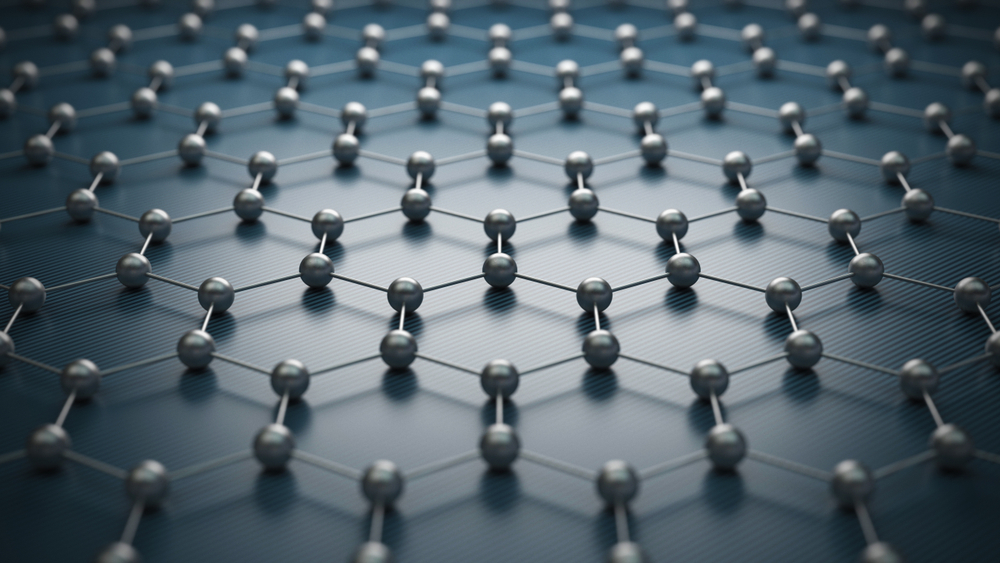
The 2D materials give the possibility to create new lightweight and stronger-than-diamond materials.

 The 2D materials give the possibility to create new lightweight and stronger-than-diamond materials.


The 2D materials are the next-generation products. That allows researchers to create strong and lightweight structures. The problem with 2D materials like graphene is that they lose their abilities if they cannot keep their 2D structures.

Another problem is how to produce a large mass of graphene. Graphene itself is a material that makes it possible to create materials stronger than diamond. 

Researchers can use graphene as boxes, which walls are created by using graphene. The fullerene nanotubes can form the frame inside the graphene box. Or the graphene boxes can connect by using those nanotubes.  When graphene is connected with another carbon's allotropic form called ANDR (Aggregated diamond nanorod) that thing can create a structure that resists vertical strikes better than diamonds. 


The ANDR nanorods can be put as frames in those graphene boxes to give extra strength to those materials. Manufacturing systems can install those graphene boxes on a layer using DNA bites. They act as nano springs whose mission is to remove impact energy. 

The problem is how to produce enough of those nanorods and graphene. There is also the possibility to cover the graphene layer by using nanodiamonds. Those nanodiamonds form pyramid-shaped structures over graphene. Those nanodiamonds are the tools that can used in the next-generation stealth materials. 

Those graphene boxes are giving a new type of extremely hard layer for any shell. That kind of layer is useful in the spacecraft. But it could be game-changing armor in many military tools. 

The new materials require new production methods.  Production and handling of those new materials require AI-controlled chemical and physical environments. 

Structures that can be stronger than diamonds  Are useful for tools that must bite extremely strong materials. 

Graphene production is a very easy process. The system must only cover some layers by using graphite. Then the laser just planes extra carbon layers away from that material. The lasers or other electromagnetic systems can press regular cylinder-shaped nanotubes together. That kind of technology can turn regular nanotubes into ANDR nanorods. The thing is that nanomaterials are coming. 


https://scitechdaily.com/quantum-breakthrough-scientists-develop-new-way-to-manipulate-exotic-materials/


https://en.wikipedia.org/wiki/Aggregated_diamond_nanorod


https://en.wikipedia.org/wiki/Carbon_nanotube


Friday, December 9, 2022

Can the simulated black hole turn into a real black hole?


The simulated 2D black holes can also make quantum stealth possible. 

Researchers are forming simulated black holes by making a hole in the 2D atomic structure. That thing happens by returning the electron or the nucleus of that 2D atom, at minimum energy level to a 3D dimensional form. In that case, the 2D structure loses its ability to interact with that part of it that returned to 3D form, and that means the simulated black hole is 2D-area where is a lower energy level. 

Another version of the simulated black hole could be the system that pulls electrons away from the orbiters of the atom. Or shaper saying the system would pull electrons to a maximum distance from the nucleus of the atom. The thing is that graphene can make that kind of thing possible. There is the possibility that graphene can use to pull electrons to the maximum distance from the core of the atom. That thing can make energy travel to that structure. 

But can 2D holes turn into 3D structures and form black holes? The thing is that if there is forming lots of simulated quantum rings in the material that could be the key to quantum stealth. Quantum stealth means material that will not reflect in any kind of electromagnetic wavelength. 

The idea of the 3D simulated black hole is simple. The quantum ring that forms the 2D simulated black hole would put to rotate like the coin that stands on its corner or upright position rotates on the table. That thing means that the standing ring that rotates upright position like a whisk harvests energy inside that structure. The electromagnetic vacuum inside the rotating quantum circle pulls wave motion inside it. And because the energy impacts the middle of that structure. 

There is forming an energy ray that comes out from that ring. So could the real black hole be similar to way rotating 2D structure that is rotating upright position around the magnetic axle? In that model, the black hole is the 4D object. The energy level of the black hole would be so high that the interaction between the material around it and the black hole itself is happening by gravitation. 

The negative energy model that is created from black holes means that black holes are the quantum pillars of spacetime. The reason why everything drops in the black hole is that the black hole interacts from the future to the point in spacetime where it formed. That thing means that energy flows through that pillar from the past to the point where the black hole cannot get any new "food". When black holes will not get any material anymore they will be vaporized.

The simulated black holes can make a new way to make energy possible. 

The simulated black holes which are holes in 2D atomic structures can harvest energy from their environment. In that model, the energy rings are made around the nanotube and launch in the same direction. When those quantum rings are traveling around that pillar they can form a situation where a small part of the energy is trapped in that structure. The system can put those holes in  2D atoms in a line or row.

Then electrons will shoot through them. So that thing makes it possible to create a new type of quantum accelerator that can rise the speed of particles even closer to the speed of light than the Large Hadron Collider does. 


Image: https://www.azonano.com/article.aspx?ArticleID=5585


https://designandinnovationtales.blogspot.com/


Friday, February 25, 2022

The new materials are pathfinders in photonic circuits and stealth technology.


The new graphene-based material reflects light backward. And it is a big step for the next-generation photonic circuits. But the new nano-materials are also possible to use in the next-generation stealth technology. There is introduced an idea to conduct the radar impulses to the accumulator. That means that the radiation's reflection is denied by conducting that radiation to energy storage. 

The thing is that if the energy and wave movement travels only to the object without reflection. There is no way to see that object. But the problem is that the system must sometimes remove the extra energy by conducting it to the ground. 

And there are suspicions. That some UFO:s that are hovering above the water is removing their energy storage. In that case, those aviation systems use technology that absorbs all radiation in the craft. So when the energy level rises too high the craft must remove extra energy to somewhere. 

Graphene-based materials have an abnormally strong absorption ability. The problem is that if the object would not reflect. It will turn very hot if it cannot remove that heat somewhere. The new graphene based-material allows conducting the light to the point where the researchers want. And that ability is useful in photon circuits. But it can also turn the aircraft or ship into shadow. The light can conduct to a laser that sends it in the wanted direction. 


Image 2)


And the problem with this type of material is that they must remove their energy somewhere. The overload of energy causes the problem. The answer to that problem could be to load the extra energy to capacitors or the energy can conduct to air by using saltwater where the extra energy is loaded. 

And that thing can make it possible to make the objects that are not giving a reflection at all. There is the possibility that the graphene-based materials are conducting light and all other electromagnetic wave movements to the middle of the object like aircraft. And then that light and wave movement can conduct in the wanted direction by using laser technology. 

One version of how to deny reflection is simple. The system must just make the object that has as low an energy level as possible. That thing makes it possible that the energy travels only to the object. And that makes the object invisible for radar, infrared, and even for the human eye.


https://phys.org/news/2022-02-abnormally-strong-absorption-graphene.html


https://scitechdaily.com/nano-architected-material-refracts-light-backward-an-important-step-toward-photonic-circuits/


Image 2) https://scitechdaily.com/nano-architected-material-refracts-light-backward-an-important-step-toward-photonic-circuits/

Tuesday, January 30, 2018

The bulletproof clothes might be true somewhere in the distant future.

(Picture 1)


Kimmo Huosionmaa

The graphene might be very advanced material alone, but connecting those graphite layers together with another material gives graphene more advanced affection. I'm writing here about the material, what consists graphene with two layers, and in the middle of those layers could be the titanium structure, what works like spring.


Material works like that the outer structure will take the punch, and between those layers is so-called nano-springs, what will suck the power of the punch, before it will conduct to the downed layer of the graphene. That might give the graphene even more capacity, than what it has now. When we are talking about graphene as the material of the bulletproof vests and clothes, we must create some kind of different material that graphene.

2D graphite network would give awesome capacities for the solid surfaces, and if the graphene can put in some particular profile, that can be used as the cover the surfaces of the fighter like F-16. The double surface nano-spring graphene could give more heat and punch tolerance for those aircraft and of course, that material can be used at any surface in the world. When the bulletproof material is in the multi-layer structure, it will be more effective stopper than single layer material.


If there will be little room, what separates the surfaces that will five very good isolation against heat. This kind of information is taken by the spacecraft, what needs protection against micrometeorites. But when we would want to make the bulletproof clothes, we might want to have the material, what feels soft like normal canvas, but could stop the bullets. That kind of material seems very difficult to make, but it might be possible.

(Picture 2)


A surface of the canvas-structure would be covered with nano-technical springs and little plates of fullerene, and that could give the clothes, what feels normal the capacity to stop the bullet. The thing would go that the short but the powerful punch would make those springs to kick back against the punch.

Nano-springs need special shape, and that's why those things are quite expensive and complicated to build. In that nanomachine is installed little lever, what will pull the spring upwards. The production of the nanomachines would happen with some genetically manipulated cells, what can produce the right molecules, what would be put in the places with the ion-cannons or by the viruses, what has wires, that could transfer by electric fields.


Those viruses seem like some kind of the moon module, and their "feet" would help them to the position in the right point of the ion-pump, what will suck the DNA in the cell, and the cores of those viruses could be used as the nanorobots, what will assembly the complicated nano-machines. In the world of nanomachines could the little electric motors made by cutting the motors of the bacteria away from the cells, and then there will put the very thin kevlar fiber with small iron bites, what can use for moving the nano-submarines.


The problem of complicated nano-structures is that the instruments, what is needed in those processes are very small. That's why the controlling of those things is so difficult. And the production of complicated structures is very difficult, and those things must produce billions.  But if those complicated nano-springs can someday product with mass production, there could be possible to make the clothes, what are covered by those things.

Picture 1

https://www.theneweconomy.com/wp-content/uploads/2014/03/Graphene.jpg


Picture 2
https://d1o50x50snmhul.cloudfront.net/wp-content/uploads/2014/07/dn25954

Sunday, December 31, 2017

What will iron atoms make for graphene material?


Graphene is able to use ultra hard contact lenses
(Picture 1)

Kimmo Huosionmaa

When we are talking about graphene, we mean the 2 dimension carbon atom network, what allows to make very strong surfaces for another material. The graphene network is very strong, and it conducts electricity. But if the carbon network will connect the iron atoms, that action will allow magnetizing the surface. The magnetized iron graphene has the quality, that it can be pulled up and down with the magnets.


That material can be used as the walls, what must be self-cleaning. In this scenario, the iron atoms, what are connected to graphene network will be magnetized, and then the magnets will push and pull the graphene network, and then the dirt will be separated from that surface.  The push- and pull effect will be done by changing the polarity of the magnets, and then they can shake the network, and that allows to drop the dirt off it.


The graphene itself is the super material, but if we will connect there an intelligent component, we can make it even more efficient, what it has been. In this scenario, the bulletproof jackets and vests are equipped with the intelligent component and between the graphene layers is the layers of the iron graphene those intelligent protective clothes can pull the graphene layers to the bullet before it hits the target.


The intelligent system works with miniature radars and other sensors, and those sensors notice the shape of knives or bullets, what is closing the person, and activates the active system just before the projectile hits the target. Of course, those intelligent systems can activate the electric protection system, what gives the same caliber electric shocks than electric batons, or even nano-sized microwave transmitters, what will deny other people to touch that protective gear.


his technology based on the thin electric insulators, what can be protected the electric components from high voltage electricity. Also, the magnetrons can be produced in very small size, and in this scenario is used the atom-sized electric wires and other super miniaturized technology. The computing system might base the smart mobile telephones, what can be used as central processing units. The mobile telephones operating system might be changed, and then that equipment can be used as the computer, but the ideal thing is that normal mobile telephone can be equipped with the applet, what allows it to communicate with microchips, what are hired in the clothes via WLAN or Bluetooth. The imagination is the limit in nanotechnology.

Sources:

Picture  1

Thursday, December 28, 2017

Writing about mass-production of graphene (Graphite what have only one layer of carbon atoms)

Layer of the graphene
Picture 1


Kimmo Huosionmaa

Production of the one atomic layer graphite or graphene is very difficult in the real world because the graphite must be cut that way, the only one layer of the carbon atoms will separate from the structure. In theory, the production of that material is very easy. The surface is just painted black with the pencil, and then the outer layer of the atoms will cut off, but the reason why this is very difficult is that the structure of that material is so small. The cutting knife must be put between the atom layers, and then the one layer of those atoms are separated from the bite of the graphite. There is one change to cut off one layer of carbon atoms from the surface, what is covered by graphite.


The thing what might be promising is to use very thin laser ray to cut the outer layer of the carbon off the structure, and if that thing will be working, it will be changed to make very big graphene layers. And if we could make the big layers of the material, what is so hard, that two layers of atoms will stop the bullets, will that make the revolution for buildings and security stuff. The graphene material is very light, and it can be used to cover the windows or balconies with the extremely hard material.


But the problem is that the laser ray must be very thin. But is the laser will use like the planer, would the normal size laser work in this kind of problem. The laser will move forward and backward for planing the outer layer of the graphite. And same time the thickness of the graphite layer is metered with scanning tunnel microscope to prove that there is only one layer of this extremely hard material left. Another way is to use the ionized carbon molecules, what will pull to the surface with the electric field. This looks little bit painting of cars, but in this scenario, the material what will dush to the surface is carbon molecules or extreme small size carbon dust. And after that, the laser might use to make one layer graphite or graphene.


The problem of making the nanotubes is more easy to solve. If the fullerene tubes might not be very small, the carbon might able to steam in the very high temperature and pressure in the surface of the wool fiber. In this reaction the wool fiber will put in the high-pressure chamber, where is methane in the space where is all oxygen removed.


If the oxygen is removed, the wool fiber doesn’t burn. Then the pressure and temperature will rise high enough, that carbon will reduce in the surface of the wool fiber, what can be cooled by pumping the water thru it. But maybe the temperature doesn’t rise too hard that this wool fiber will be melted. When there is no oxygen in the chapel, the carbon won’t start to burn. And maybe that technology allows the future to make very thin but hard carbon fibers, with large-scale mass production.

Sources:

https://www.npr.org/templates/story/story.php?storyId=130344815 

How the nanotechnology and graphite can change the way to make the steel?


Graphene structure


Kimmo Huosionmaa


The world of nanotechnology is the thing, what is called as the “nanotubes". Those fullerene tubes work like normal pylon or tubes, but they are much smaller structures. Damascus steel is very hard because it has the nano carbon tubes inside it. When the nanotubes are the longitudinal way for the blade of the sword, those tubes will harden that structure.


In this text, I must mention that only longitudinal nanotubes give the strength to the steel, and that’s the reason, why those tubes must be longitudinal size thru the strike or pressure. By the modern technology those nanotubes can put in the customized bites of the steel that way, the pressure targets straight angle to the longitude of the carbon tube, but if we want to make the hardest steel, by using the carbon tubes, will the best way be putting those carbon tubes in standing position against the pressure.


When the pressure comes from the large area, what is predicted, must the nanotubes position like pylons against the pressure. But another way is to put nanotubes like squares inside the material if the position where strikes or the pressure comes would be unpredictable. The net what is made by fullerene tubes will make the structure extremely hard. This kind of network will work very good in the cases, where the thin structure will strike against the material.


Another way is to use two layers of the single layer graphite the graphene structure to overlay the metal with the one of the hardest structure in the world. In this case, the metal will be made tougher by using the nanotechnological structure, what is so tough that two atomic size layers of that carbon net will stop the bullet. This material can be used to make the tools and screws tougher.


And this network of carbon atoms can be used on the surface of any structure and the depleted uranium bullets can be replaced with the bullets what are overlaid with the graphene network. That will make the bullets extremely tough, and they can penetrate armors very easily. The problem with this material is that production of graphene is so difficult. And that's why it won't be covering all structures in the world, and the bulletproof business suit, what is made of graphene costs 20 000 dollars.

https://www.youtube.com/watch?v=Mcg9_ML2mXY

New autonomous task units are entering service.

"The deal will create much-needed competition for the Department of War acquisition process. (Representational image)" (Interestin...