|
| (Picture 1) |
Kimmo Huosionmaa
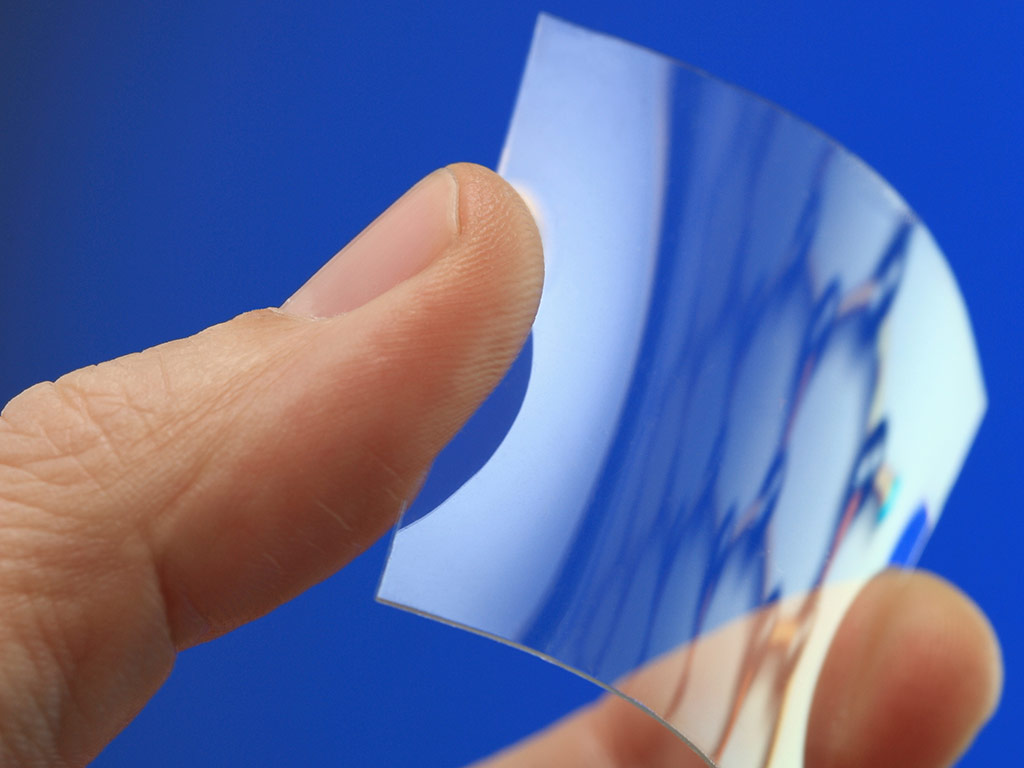
The graphene might be very advanced material alone, but connecting those graphite layers together with another material gives graphene more advanced affection. I'm writing here about the material, what consists graphene with two layers, and in the middle of those layers could be the titanium structure, what works like spring.
Material works like that the outer structure will take the punch, and between those layers is so-called nano-springs, what will suck the power of the punch, before it will conduct to the downed layer of the graphene. That might give the graphene even more capacity, than what it has now. When we are talking about graphene as the material of the bulletproof vests and clothes, we must create some kind of different material that graphene.
2D graphite network would give awesome capacities for the solid surfaces, and if the graphene can put in some particular profile, that can be used as the cover the surfaces of the fighter like F-16. The double surface nano-spring graphene could give more heat and punch tolerance for those aircraft and of course, that material can be used at any surface in the world. When the bulletproof material is in the multi-layer structure, it will be more effective stopper than single layer material.
If there will be little room, what separates the surfaces that will five very good isolation against heat. This kind of information is taken by the spacecraft, what needs protection against micrometeorites. But when we would want to make the bulletproof clothes, we might want to have the material, what feels soft like normal canvas, but could stop the bullets. That kind of material seems very difficult to make, but it might be possible.
 |
| (Picture 2) |
A surface of the canvas-structure would be covered with nano-technical springs and little plates of fullerene, and that could give the clothes, what feels normal the capacity to stop the bullet. The thing would go that the short but the powerful punch would make those springs to kick back against the punch.
Nano-springs need special shape, and that's why those things are quite expensive and complicated to build. In that nanomachine is installed little lever, what will pull the spring upwards. The production of the nanomachines would happen with some genetically manipulated cells, what can produce the right molecules, what would be put in the places with the ion-cannons or by the viruses, what has wires, that could transfer by electric fields.
Those viruses seem like some kind of the moon module, and their "feet" would help them to the position in the right point of the ion-pump, what will suck the DNA in the cell, and the cores of those viruses could be used as the nanorobots, what will assembly the complicated nano-machines. In the world of nanomachines could the little electric motors made by cutting the motors of the bacteria away from the cells, and then there will put the very thin kevlar fiber with small iron bites, what can use for moving the nano-submarines.
The problem of complicated nano-structures is that the instruments, what is needed in those processes are very small. That's why the controlling of those things is so difficult. And the production of complicated structures is very difficult, and those things must produce billions. But if those complicated nano-springs can someday product with mass production, there could be possible to make the clothes, what are covered by those things.
Picture 1
https://www.theneweconomy.com/wp-content/uploads/2014/03/Graphene.jpg
Picture 2
https://d1o50x50snmhul.cloudfront.net/wp-content/uploads/2014/07/dn25954