Wednesday, November 15, 2023

The new robots take their form from nature.

    The new robots take their form from nature. 


The computer that runs AI can be a group of micro-engineers or microgenerators that hover in liquid. 


The high-power AI requires extremely small microchips. And those microchips require a very highly accurate power source. If those miniaturized microchips get too much electricity it causes damage to those systems. So those microchips require their power source. And nanotube-based micro engines can make nano-size microchips possible. 

The AI brain could be the group of micro-engineers and microchips that hover in the liquid. That nanomachine swarm can be one model for the next generation of high-power computers. And those microcomputers can be copies of the mosquito larva that hangs under the surface tension. 

New robots can be copies of living organisms or fossils. Researchers used 450 million years old organisms as a model for the modern soft robot. Things like crabs are also good models for robots, and those animals' scrissors can replaced by pliers that can make them good operators in many situations. 

They can observe other animals. But they can be recon and sabotage tools. The fact is that all animals are not protected by law. And the observation robot can be like disgusting animals like rats. 

"MIT researchers have created a machine-learning method to improve robotic packing, allowing robots to efficiently solve complex packing problems by satisfying multiple constraints at once. The technique uses diffusion models to find optimal solutions, outperforming traditional methods, and shows promise for future applications in a variety of environments." (ScitechDaily.com/Packing Perfection: MIT Uses Generative AI To Reshape Robotic Precision)


There are two ways to make animal-shaped robots. 


1) Using artificial components like metal or carbon fiber body. Then that body can covered by using the animal furry. Those robots can look like some common animals like crabs, rats, or birds.


2) Use brain-implanted microchips. Those microchips can used to control living animals. Those animals' eyes can changed to bionic or replaced by eye prostheses. 

The military can use crab-looking robots to cut communication wires. The thing is that animal-looking robots can offer the possibility to observe and attack the area without warning. The animal-shaped robots are invisible and hard to detect. They can have laser and microwave systems for target detection and sabotage and elimination missions are things. People don't normally think that some rats can be dangerous. 

This makes animal-looking robots very powerful tools for civil and military purposes. Robot rats can used as observation and sabotage tools. Those rat-looking robots can have GPS inside them, and they can also carry explosives that they can use to make damage to communication and ammo dumps. 


"Carnegie Mellon researchers, collaborating with Spanish and Polish paleontologists, have created a soft robotic model of the pleurocystitid, an ancient echinoderm, to explore evolutionary biomechanics and inspire new robotic designs. Above is a pleurocystitid fossil and pleurocystitid robot replica. Credit: Carnegie Mellon University College of Engineering" (ScitechDaily.com/Reviving History: 450-Million-Year-Old Organism Finds New Life in Softbotics)


Matrioshka robots can also be interesting tools. 


The nanomachines can make it possible to create layers and materials that can cut themselves into pieces. 

Matrioshka robots are clusters that involve multiple-size robots. Most miniature robots are made by using DNA molecules. And those molecules also can involve the operating systems of those miniature robots. The miniature robots have problems with control and power sources. 

The nano-scale micromotors can be extremely good tools for giving energy to nanorobots. DNA nanomotors and nanogenerators can deliver energy for AI-driven systems using very high accuracy. The nano-size induction generator can be a very effective tool.

However remote power sources like radiowaves can be the next-generation tools for controlling nanomachines. The key element for those systems are materials that can make it possible to create axles and joints for nanotechnology, which is smaller than cells. 


https://scitechdaily.com/dna-nano-engine-the-revolutionary-power-behind-tomorrows-nanomachines/


https://scitechdaily.com/generating-green-energy-from-wastewater-with-ai-enhanced-micromotors/


https://scitechdaily.com/packing-perfection-mit-uses-generative-ai-to-reshape-robotic-precision/


https://scitechdaily.com/reviving-history-450-million-year-old-organism-finds-new-life-in-softbotics/


Tuesday, November 14, 2023

The new clean energy sources can be interesting.

 The new clean energy sources can be interesting. 


1) Bioforce or bioenergy. 

Bioforce or bioenergy. The term bioenergy means genetically engineered living cells that can make electricity. The use of those cells is sometimes limited to nanotechnology. But those cell groups can also used in larger-scale solutions. 

Researchers can connect biological batteries to parallel or serial connections. And that means those systems can also feed large-size entireties with electricity. 

Those genetically engineered cells can have electric eel's genomes. The thing that those cells need is nutrients. If the genomes between bacteria and electric cells are combined that allows us to make impressive things like electric cars that require the same nutrients as cows. 

It's possible to combine genomes from grass or some other vegetables and hybridize them with electric eel's electric cells. That allows to creation of power sources that are like normal houseplants. And the used must only remember to give water and nutrients for those electric-vegetables. 

2) All steam engines don't need fossil fuels. 


All steam engines don't need fossil fuels. And if the system makes steam by using things like sunlight that thing makes the steam engine and steam turbines good energy sources for limited use. In the piston steam engine the parabolic mirror or laser. 

That system uses sunlight to make steam vaporize liquid in the piston chamber. Or in a vaporization chamber. Then that steam will be driven to the piston chambers. There could be a closer in the piston chamber that closes the laser when the temperature rises too high, or the engine starts exhaust stroke. 

The liquid that will vaporize can be something else than water. And that makes those sun- or light-based steam engines more effective than we ever imagined. 

The cold steam engines use liquid gas to make energy. The problem is how to liquidate those gasses. When extremely low-temperature liquid gas will let to falls into the vaporization chamber it starts to expand. 

The other version: called Walther propulsion uses hydrogen peroxide that reacts with water as "fuel". The temperature in the hydrogen peroxide mixture will rise to a high level. And then the system can use this vapor as a power source. 


"The outside of the micromotor in this study is coated with the chemical compound laccase. This enables the motor to convert the urea in the water into ammonia. Credit: Institute of Chemical Research of Catalonia (ICIQ)" (ScitechDaily.com/Generating Green Energy From Wastewater With AI-Enhanced Micromotors)


3) Tubes or micro- and nanotubes. 

Those nanotubes can be very long, and they can let water travel over the turbine wheel. When the tube drops in the deep sea the capillary force pushes the liquid through that tube. And that flow will rotate the turbines. That kind of system is suitable for things like seamarks and other kinds of systems like miniature submarines and especially robots.

A swarm of nanotube-based systems can make electricity by using chemical reactions. The ability to turn urea from wastewater to ammonia is not a very good idea if we think environmentally like CO2 emissions. But carbon can be filtered out from the ammonia molecule those nanotubes can create pure hydrogen. 

The enhanced micromotors also can use extremely small generators. The micromotor-based technology is interesting because it can deliver energy to the nanosized microchips. And large number of those nanomotors can deliver energy to even larger structures. 

AI-based applications. The system can stay in the right position all the time. That denies the system overload. And the right position makes those microsubmarines qualified of creating precisely the right electricity level. 


 4) New types of power cells. 

New types of power cells. Using cheaper electrodes power cells can be one of the new energy sources. The fact is that. We still can use combustion and steam engines if we can find some energy source that does not include carbon.

Steam engines and steam turbines can use vapor that is made by using sunlight or laser beams produced by clean energy. Hydrogen is a very promising way to make clean energy. The electrolysis systems also can make hydrogen by using electricity. 


5) Hydrogen as clean energy. 


Hydrogen is the zero-emission fuel source. But its production requires electricity. Solar panels are a powerful tool. Especially if they are over the cloud layer. Solar panels can drive their energy to batteries that guarantee the power supply at night. 

But they require sunlight. It's possible that the pressure-liquid. The system will connect to the solar panels. In that case, the solar panels make electricity by using silicone panels. But there is also a pressure liquid pressure cycle that rotates turbines. 

The other version is to use the geothermal energy. The liquid that is vaporized in those systems determines the pressure in the tubes. So things like ammonia or some other very easily vaporizing gas can create very high pressure in tubes. And that pressure can driven through turbine wheels. 


https://scitechdaily.com/considered-impossible-until-now-scientists-develop-micro-heat-engine-that-challenges-the-carnot-limit/


https://scitechdaily.com/generating-green-energy-from-wastewater-with-ai-enhanced-micromotors/


https://scitechdaily.com/powering-the-future-of-clean-energy-scientists-unlock-zirconium-nitride-secrets/

Monday, November 13, 2023

The first chimeric monkey glows green.

 The first chimeric monkey glows green. 


The rose chimera is two roses, red and white that are connected. That means the chimera is made by connecting two embryos. 


*Homogenic chimera means that it's made by using the same species of embryos. 


*Heterogenic chimera means that those gametes are taken from different species. 


But we can say that the difference between chimera and hybrid is very small. And if the fingers of the monkey glow green because of firefly genomes that thing makes that monkey hybrid. Or actually, that monkey would be a heterogenic chimera. 


*The hybrid is a combination of two gametes. 

*Chimera requires three or four gametes. 


So chimera can be a hybrid but a hybrid cannot be a chimera. The problem with this type of determination is that the gametes can created using multiple DNA bites. 

Two-colored rose chimera


Chinese researchers made the world's first chimeric monkey that glows green. That glow means that transferred genomes work as they should, and the monkey feels good. The term chimeric means an organism that has multiple genetically different cell bases. And that thing can be made by connecting genomes from different species. The Chinese monkey will be a pathfinder for genetic engineering and gene therapies. The easiest way to manipulate species and increase the speed of evolution is to take other species. 

That have wanted abilities. Then the laboratory staff just collects artificial DNA using the DNA bites that controls certain ability. That requires the DNA map of the selected animals. And then those DNA sequences must connect with other specie's DNA. This thing opens impressive visions in good and bad. Genetic engineering is one way that can make the interstellar travel possible.


"Images showing the green fluorescence signals in different body parts of the live-birth chimeric monkey at the age of 3 days Credit: Cell/Cao et al." (ScitechDaily.com/Not Sci-Fi Anymore: World’s First Live-Birth Chimeric Monkey Glows Green)


There are two ways to make people immortal. First is that nanotechnology repairs the DNA damage. And the second is that the person makes a clone about self. Then that person's memories will transfer to the clone. These kinds of things are interesting. And the same time frightening visions about genetic engineering. 

Genetic engineering makes it possible to fix genetic errors. But the same thing can make it possible to create the most horrifying weapons in the world. The DNA manipulation can turn cells into ebola-virus factories, where those cells produce deadly organisms. However, the same technology makes it possible to create a new type of therapy that makes people healthier. 


When we are talking about genetic disorders we who have not bad disorders are easy to say that fixing those things is not right or against some naturality or god. But we are not people who have those genetic disorders. That is the problem with that kind of thing. There always are people. Who wants to make laws that control this kind of technology? 

The problem is that: in every country in the world are no laws. That controls genetic engineering. And things like corruption make laws weak control tools. The laboratory workers who use VPN-remote control can make those genetic engineers sit in a flat in Stockholm and control a remote robot laboratory in Sierra Leone over the Internet. 

The problems with genetic engineering are the same as AI. There are states, or leaders who want to militarize this technology. People like Vladimir Putin and Kim Jong Un are always interested in things like super soldiers who follow their leaders without questions and think only things their leaders are allowed. Cloned soldiers who have no connection with other people and who have no moralistic or ethical limits are tools in the hands of people like Vladimir Putin and Kim Jong Un. 


https://scitechdaily.com/not-sci-fi-anymore-worlds-first-live-birth-chimeric-monkey-glows-green/

https://en.wikipedia.org/wiki/Chimera_%28genetics%29

https://en.wikipedia.org/wiki/Chimera_(molecular_biology)

The human aliens (Friedrich Nietzsche's overman part II)

 The human aliens (Friedrich Nietzsche's overman part II)


What is the overman? This is one thing that causes discussions. Things like genetic engineering make it possible to create humans that are more flexible more powerful and more intelligent than other humans. The problem is how to determine power. Is that ability that makes it impossible to harm the creature, like skin hairs that have similar mechanisms as''' the nettles or some medusas? 

If that creature creates zombie poison, it makes it possible for the creature can take humans under control. But it's possible. Those hairs can have some deadly poison. Because we know genomes, we must realize that we can make very complex  DNA combinations from different species. 


Neuroimplanted microchips can give humans abilities that it never had before. 


The neuroimplant microchips make it possible for the human brain. That can connect itself to the internet by using those electronic systems. The microchip can use similar batteries with pacemakers. Or they can collect neural electricity. The neuro-implanted microchips can make this possible. The human can control drones or other animals by using neuroimplanted microchips. 

The fact is that technology makes it possible for the BCI (Brain Computer Interface) can control other animals like microchip-controlled cyborg bees or any other animal that has a microchip in its neural system. That animal can share all its senses and other things using those neural microchips with its controller. The BCI system makes robots the other body for their users. 

But genetic engineering has other and maybe more powerful abilities. 

Human aliens are things that are possible because of genetic engineering. Today we can connect genomes from different species. And that gives us more abilities, than ever before. The overman with higher intelligence levels and stronger muscles is a reality. Genetic engineering makes it possible to create nervous systems in which neurons have multiple connections to themselves. As well as they connect with other neurons. Those neurons would make the human thinking process more powerful than it is now. 

The human nervous system can also boosted with genomes. They are taken from the electric eel. Those genomes make it possible for humans can give electric shocks from their fingers or communicate with computers wirelessly. In the last case. The electric impulses will sent straight to the computer's receiver. And that allows a person to send the EEG signals from fingers. That ability makes it possible to take other people under control 


The werewolves are traditional human aliens. 


Theoretical genome researchers made a model of what kind of creature the werewolf can be. The idea is that the retrovirus transforms the creature into another. And if we think of genetic engineering. 

This transformation can happen voluntarily. The human neurons can give orders to genetically engineered cells that are created to form those viruses. And that thing can make the transformation process. 

It's possible. That in the future humans or our descendants can turn their form. And if we think the human can transform itself into a wolf. That thing can done by using technology that activates certain types of retrovirus production under certain situations. 

In some models, the werewolves would be creatures that retroviruses transform into wolves. The impulse that begins the retrovirus production could be ultimate stress or the moonlight. So the transformation process in those creatures could be similar to sleeplessness in the full moon. In that case, there would be the programmed cells in the bodies of those creatures that start to produce required retroviruses. 


In genetic engineering and technology, imagination is the only limit. 


As you see the possibilities of technology and genetic engineering are without limits.  In the wrong hands, that kind of system is dangerous. The BCI implants are created for controlling prostheses. But we all know that money makes it possible to hide people to modify those brain shell implants like Neuraport into the systems that allow controlling robots and drone swarms into the human brains. 

The imagination is limited in this type of technology. Maybe in the future. Genetic engineering makes it possible. The people will send the shopping list to the genome laboratories. Then the genetic engineers will search for the species with wanted abilities. Then they create artificial genomes that they use to fertilize the eggs. 


https://scitechdaily.com/not-sci-fi-anymore-worlds-first-live-birth-chimeric-monkey-glows-green/

Sunday, November 12, 2023

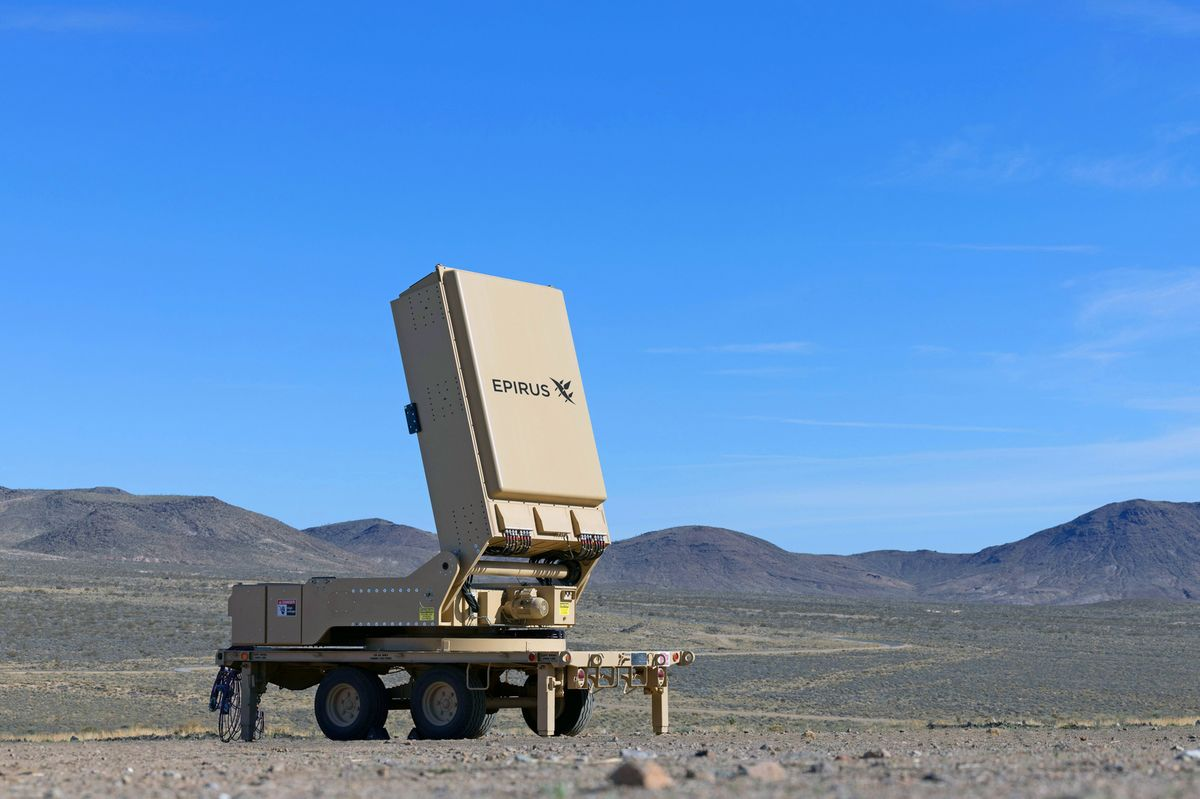
In the future, the Patriot's radar can also kill drone swarms.

    In the future, the Patriot's radar can also kill drone swarms. 


The high-power radio bursts. And microwave bursts are tools, that can destroy entire drone swarms. Those systems are the same radars that regular observation systems use. But their power is much higher. Microwaves can cause physical damage to the shell of incoming ammunition and drones. 

Microwaves cause heat effects on metals. And that thing makes them more effective than radio waves. Radiowaves can have an EMP effect, but EMP is useless against dummy ammunition. But radio waves can also cause physical damage. 

Crossing radio waves can create an electric arc between the target and incoming ammunition. They can also destroy dummy grenades and rocket salvos before they reach their target. 

The EMP and radio-wave-based weapons. Along with lasers are also suitable for killer satellites. The thing is that. The high-power radio and microwave bursts can destroy other satellites' electronics. The problem with kinetic energy systems is that they form lots of debris. The EMP-based systems can keep the target satellite in one piece. 

The radio-wave-based EMP systems can also turn satellite communication systems into weapons. And that protects the GPS and communication satellites against killer satellites. But it turns the satellite into a killer satellite that can destroy other satellites. 

Those radio-burst weapons act in always similar way. They store energy in the capacitors. And then that high-power electric impulse will send to the transmitters. That can form the EMP pulse that destroys electronics. The other version is to load electricity to a satellite, and that electricity pulls plasma on its shell if its polarity is opposite to plasma. 

Lasers will destroy incoming satellites and satellite-killers. Those systems were created to protect satellites against kinetic energy ASAT (Anti-Satellite) weapons. But the same systems can turn satellites into killer satellites that can destroy other satellites. 


The weapon development is a race between an improved attacker and an improved defender. Those passive and active systems can protect tanks and other targets against incoming ammunition.


The best-known of those systems are reactive armor and the Israeli Trophy. The "Trophy" is like a tank-based CIWS (Close-In Weapon System) that shoots counter ammunition against incoming ammunition. Those systems are not effective against small-caliber kinetic-energy sabot ("Arrow") ammunition. That's why there are pressure-based systems under development that can turn those ammunition out from their direction. 

This is why laboratories have developed microwave warheads that send high-power radio and microwaves against targeted tanks. Tanks can use similar systems against attackers. When the detector sees an incoming missile the counter-system starts to send microwaves against it. 

The system should destroy the homing electronics of incoming missile and detonate its warhead. The AI-based systems create the neural network over the battlefield that shares information between actors. And the opposite is that the anti-radiation missiles can turn those radio links into targets. The CIWS can protect also radio links against those missiles. Otherwise, maser- and laser-based communication tools are harder to detect than regular radios. And ARM-missile requires precise knowledge of the target. 

The purpose of that weapon is to knock out the tank's electronics. The reactive armor is the explosive bricks that cover the tank. The tandem warheads and rapid-shooting anti-tank cannons are effective against those armors. The reason why the legendary GAU-8 "Avenger" cannon is still effective is that it shoots so much ammunition against a target that it strips reactive armor. 

There is also used cannon systems there rapidly fire small-calibre cannon to shoot the reactive armor off, and then the bigger gun shoots the grenade against the target. Again there are explosive, acoustic, and microwave-based systems whose purpose is to turn things like sabot ammunition out of their course. This is the reason why the next-generation tanks have more multipurpose systems like railguns and other things like laser weapons. 


https://www.popularmechanics.com/military/navy-ships/a45617466/us-destroyer-downs-drones-cruise-missiles-over-red-sea/


https://www.popularmechanics.com/military/weapons/a45713388/us-army-new-drone-killer-leonidas/


https://en.wikipedia.org/wiki/Armour-piercing_discarding_sabot


https://en.wikipedia.org/wiki/Armour-piercing_fin-stabilized_discarding_sabot


https://en.wikipedia.org/wiki/GAU-8_Avenger


https://en.wikipedia.org/wiki/Trophy_(countermeasure)

The photon rocket and photon assistant rockets are not the same thing.

The photon rocket and photon assistant rockets are not the same thing. 

Usually, people think that a photon rocket has no thrust. That thing might be right in the cases of regular photon rockets, that use disturbing, non-coherent light for thrust. 

But it's possible. That photon rockets can have more abilities than we ever imagined. The next systems are not pure photon rockets. They are photon-assistant rockets and levitation machines. I will not handle WARP drive in this essay because that requires a separate essay. The fact is that photon rockets are hypothetical systems, as well as photon-assistant engines, are only hypothetical levels. 

The laser can drive energy to the back of the craft. But can this be enough for moving that thing? The laser acts like a heat pump. It moves energy out from the rocket's nose and then the outcoming energy tries to fill that energy loss. But can that effect move spacecraft? That's unknown. 


Electromagnetic wormhole. And its relationship with the speed of light. 


Electromagnetic wormholes are wave movement that travels in space. That wave movement is coherent. In some texts before I wrote that electromagnetic wormholes are not "real wormholes", but electromagnetic wormholes can make it possible to travel faster than the speed of light. Can this be possible? The key is this: can the system remove scattering from the wormhole? 

The reason for that is that if the electromagnetic wormhole is the tube or layer, that makes it possible for light can travel faster in that laser or radio beam. The speed of light is relative to its environment. If we would travel in laser ray. That is so tight that no energy can travel outside from it and that laser ray pushes us. 

Relative speed with that electromagnetic radiation is zero if that radiation pushes us through the universe and we would ride with that electromagnetic ray without any outside power source. But if we start antimatter engines in that wormhole or electromagnetic beam that makes it possible that the craft can travel faster than the speed of light, or light travels outside that electromagnetic wormhole. The engine pushes against the radiation that comes from the back. And that thing gives extremely high speed in that EM wormhole. 


1) The plasma-photon engine.


In some visions, the laser ray that is aimed up from the craft can pull the craft up from the ground. The idea is that the laser ray heats the air. And then that thing creates the low-pressure area above the craft. And that low pressure pulls craft over the ground.  

Sometimes this hypothetical system has the name "pyramid engine". The idea of this system is that the laser will aimed at the bottom of the hollow pyramid. Then the laser ray will heat the air in that pyramid. The laser rays will turn that gas into plasma. Then, the system can raise the craft to the orbiter.  The laser system can be in the craft. 

But it's easier to make that system if that high-power laser is on the ground. In some models, there is a small hole at the top of the "laser craft". The idea is that. The laser ray can travel through that hole, forming a bubble to the top of the craft. That low-pressure bubble will make the system elevate from the ground. 


2) Laser photon-ion thruster. 


Laser rays can travel through the medium in a rocket engine chamber. The system can vaporize any kind of material. And when laser ray vaporizes the material it raises its pressure. If that system ionizes the gas, the magnetic field can make it travel backward. 

And that kind of system can use any kind of propellant that the laser can vaporize. The laser ray can also kick those ions to extremely high speed. The ion engine that uses lasers as the propellant vaporization can be an effective tool for asteroid research.  


Image David A. Hardy

3) The laser-zero point thruster. 


The laser-based rocket engines that use radio waves as the focus can use zero-point propulsion. In zero-point rocket propulsion, the system creates a quantum vacuum in the thruster's nozzle. Then the system accelerates ions or electrons through that quantum bubble. The laser beams accelerate those electrons to a very high speed. The system would pull negative ions and beta electrons through the accelerator. 

Then the laser system or antimatter explosions will accelerate those particles by using photons. The system can use the nuclear reactor's electrons that it turns to positrons. Or it can use cathode rays that turn to positrons or anti-electrons. 

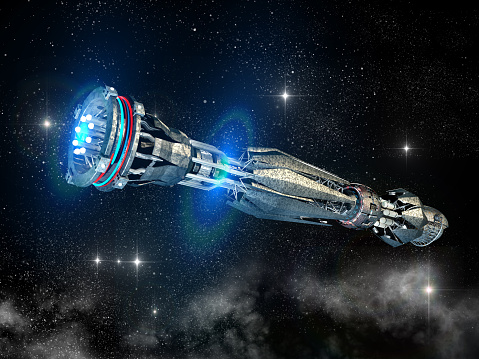
The image in this text can represent this kind of rocket. The rocket pulls ions inside it. And there the laser rays or some other high-power photon sources kick those particles to very high speed. In this system, the larger side of the rocket is the pulling channel. And then the thinner side is the nozzle where particles come out from that rocket. 


4) Forward-shooting photon rocket. 


This system can used with antimatter engines. The antimatter engines push the craft forward. Photon source like laser makes a hole in the quantum fields. Forward-shooting photon rockets would travel faster than the speed of light. The system shoots photons to the front of the craft. And those photons make holes in the space. 

The craft's laser system can create an electromagnetic wormhole to the front of it. And that allows the craft to travel faster than otherwise. That system can be a powerful tool in interstellar drives. 


5) Electromagnetic wormhole-based system. 


In this system, the powerful laser or radio maser that sends coherent electromagnetic radiation will make an electromagnetic wormhole around the craft. The craft travels in the electromagnetic wormhole. And then the antimatter or some other exotic power systems makes the craft travel faster than light travels outside the wormhole. 

The idea for that kind of system is this. The layer or tube where the craft travels moves with the speed of light. That means the relative speed between the craft and the wormhole is zero if that outside laser system pushes the craft forward. Then if the craft has an internal propulsion system it can cross the speed of light. The reason for that is this: the speed of light is higher in the electromagnetism wormholes. 

The electromagnetic wormhole closes the craft inside it. And because the speed inside the electromagnetic wormhole is relative to the electromagnetic wormhole not space outside it, that allows the craft to travel in that thing faster than usual. 

AI is also a suitable tool for space and aerospace technology.

    AI is also a suitable tool for space and aerospace technology. 


The potential for language models or chatbot-AI is impressive. The ability to give commands by using natural spoken language is the thing that makes many things easier. And one place where that thing is extremely great advanced space technology. If operators can give satellites orders to change trajectories or avoid something that thing makes it easier to control satellites. 

It's possible. That satellites can have the AI that warns them of incoming space debris. The same system can warn and make satellite do the evasion and escape maneuvers if the suspected killer satellite or some other ASAT system comes too close or approach the satellites. The satellite that can automatically avoid impacts with debris can avoid impacts with ASAT weapons or at least kinetic energy ASAT. The AI is the tool that makes the satellite recognize dangerous situations and avoid them. 

And one of the biggest threats to those satellites is space debris or ASAT weapons. The impact of space debris can destroy satellites always. And it's the same if it's an accident or made for purpose. In some scenarios, the other satellites will driven to impact course to GPS and strategic communication satellites. 

In longer distances, the AI is a necessary tool. Space probes that operate in the asteroid belt and farther require advanced AI that makes them detect the right asteroid. The networked space probes can cooperate in those missions. One will make the close passing. 

"SONATE-2, a nanosatellite developed by JMU, is scheduled for launch in March 2024 to test novel AI technologies and other advanced systems in space. Managed from JMU’s Mission Control Centre, it aims to enhance autonomous space exploration capabilities, with significant student involvement in its development and operation". (ScitechDaily.com/SONATE-2’s Space Odyssey: Testing AI’s Limits in Space)

The nanosatellites swarm can observe things like Van Allen belts and the magnetosphere. The swarm of nanosatellites can observe large land areas. Those satellites can detect the ICBM launches. The miniature satellites can also detect military satellites and terminate those satellites by impacting them. 

And others follow that action over longer distances. The interaction and cloud-neural applications allow other probes can share their calculation power with close-flying probes. That makes the operation more effective. Also, the data that the longer distance probes share can help to make the probe make more accurate maneuvers and search the most interesting places on the asteroid's surface. 

In space, the deep neural network can interconnect satellites in its entirety. Other satellites in that entirety can search and follow the satellite that is under threat. If impact happens the image analysis allows us to make conclusions if the satellite is destroyed on purpose or accidentally. If something stresses the low-orbiting satellites the other satellite can point its camera to the point, where the stress comes from. 

The deep neural network can make aviation safer. The idea is that all aircraft and ground-based systems that share the airspace can share information. That makes the system interactive and more flexible. It can share information if some other aircraft approaches the same runway. The system can check the fuel and other things and then order the lower-risk aircraft to make a couple of extra runs around the approach pattern. The idea is that also other aircraft get information about surprisingly happening things. 

In Aerospace technology the AI can detect things that can risk the aircraft. The AI can use advanced cameras and communication technology. That allows it to recognize the runway. If there is a lidar- or targeted radar system at the runway that measures the distance and altitude of the aircraft and same time, tells what runway the aircraft approaches that denies the risk of landing on the wrong runway. 

This kind of system has two-way sensors. The sensors in aircraft. And ground-based sensors. Those systems can communicate with each other, which gives the error detection ability to that interactive system. If the numbers and other values between those systems match the aircraft is in the right position. 

The AI can tell pilots if the runway is not right or the same that is marked in flight plans. Then system can ask wish pilot to continue, and then it can send the right engine and azimuth values to the aircraft. This kind of situation could be very risky. But the deep neural network will send information about that error, and then the system guides the other aircraft to the runway. 


https://scitechdaily.com/sonate-2s-space-odyssey-testing-ais-limits-in-space/

The new green genius turns carbon into fuel.

    The new green genius turns carbon into fuel. 


Things like carbon nanotubes that have small carbon "hair" can be used to clean exhaust gas. The surface area of the reaction determines the filter's ability to remove carbon from the exhaust gas. The system bases the carbon reduction. The simpler version is to use carbon filters that separate carbon from aromatic hydrocarbons and CO2 emissions. The carbon filter system is commonly used in gas masks whose mission is to remove carbon from the poisonous gas. 

The active carbon filters are simple and effective tools. But the problem is where the system puts that carbon. The most effective thing would be pressure- an electromagnetic system that can turn the carbon into diamonds or carbonite crystals. The system requires lots of energy, and that makes it ineffective. The idea is that the system turns the carbon into the form, where it cannot fly away. If the system can turn carbon waste into a big bite, it cannot fly into the atmosphere. In some solutions, the carbon from CO2 emission will turn into fuel. 


"A breakthrough by MIT and Harvard scientists allows efficient conversion of carbon dioxide into stable, safe formate, potentially replacing fossil fuels and suitable for long-term storage and electricity generation." (ScitechDaily.com/Green Genius: MIT and Harvard Engineers Transform CO2 Into Formate Fuel)


The simple idea is to make the atomic carbon react with hydrogen. That thing creates ethylene. Ethylene itself is a high-inflammable hydrocarbon that can be used as fuel. But the problem again is carbon emission. It's possible to create the systems that are removing carbon from the exhaust gasses and those filters can be changed. But the problem of transforming CO2 emission into fuel consists of the problem.  

The system must put carbon somewhere. There is the possibility to make closed-cycle diesels that recycle the CO2 through the active carbon filters that remove the carbon from the exhaust gas. That system makes it possible to create emission-free engines. But the system must put the carbon into some place. And also the system must break the benzene-ring from the aromatic hydrocarbons. And the lasers or some laser-acoustic combinations can be effective. 

But that system drives CO2 emission to the chamber where the carbon will reduced by using electromagnetic or some acoustic systems. In an acoustic system, the system gives a soundwave that makes the carbon-oxygen combination oscillate. Then the IR radiation breaks the chemical bond. Then the carbon will be driven to the layer and the pressure impulse pushes it to the form of the carbonite crystal. In some other versions of the chamber the carbon wires there is carbon hair, and then those rotating wires will tie carbon into their structure. 

https://scitechdaily.com/green-genius-mit-and-harvard-engineers-transform-co2-into-formate-fuel/

Saturday, November 11, 2023

AI: the illusion of understanding.

   AI: the illusion of understanding. 


When we ask AI to make something, it takes the list of allowed actions. We know that AI requires limits. Things like AI-created photos and other things like that should be marked using the stamp. The AI can give texts that it creates to plagiarism detection software that universities and high schools should use. That thing makes it possible to detect AI-created texts. In that case, the plagiarism detector just compiles those texts together. And that uncovers the plagiarism and AI-created texts with quite good accuracy. 

 Then the AI makes the asked action by connecting components that it takes from the net. This is how the AI generates images. When the AI makes the text like a letter or scientific article it searches a couple of sources from the net. After that, it just connects those sources. If the thing that the user asks is common, the AI gives good-looking answers. The AI uses search engine solutions for selecting sources. And that makes it effective in common things. But in the cases that the asked thing is uncommon like "Ramsay's numbers in mathematics," the AI can give an answer that handles the noble family's place in some club. 

Image created by Bing. 

Then the AI suggests that user can search for their telephone numbers by using some net-based telephone catalog. This happens if the user forgets the word "mathematics".  We can call this thing "Ramsay's problem". The user must give clear and well-cropped commands to the AI. If the user will not crop the commands anyway. The AI can give a very long answer that it generates for a very long time. And then that answer could be wrong. This means the user who uses the AI requires practicing. 

This is the thing that shows that the AI doesn't understand what it makes. The situation is similar to the case, where the 12 years old kid makes the scientific article by collecting good-looking sources. Then that kid connects paragraphs from those sources together by using copy-paste. 

The kid can take the first paragraph from the first source, the second paragraph from the second source, etc..And that thing makes it possible to create a good-looking article. In that case, the kid can have a trusted sources list. But the AI and that kid have the same problem: the source can involve errors. 

The thing that helps to eliminate those "Ramsay problems" is that the AI makes the user profile. The AI could ask what the user does with it. And if the user says being a mathematician. That helps the AI to crop the homepages to mathematical homepages, and then the AI can ask when the person starts to use it, is the session for work or fun. 

The fact is that the AI requires precise and good language so that it can create answers. Even if the AI is an excellent tool for work and fun, the thing is that people who use the AI should know how to use it. They also must have the ability to estimate sources that the AI is useful. But if the user doesn't know how to ask questions or give commands. That thing makes the AI useless. 


https://scitechdaily.com/the-illusion-of-understanding-mit-unmasks-the-myth-of-ais-formal-specifications/

Friday, October 27, 2023

What is the interest of genetic scientists in bats and parasites?

    What is the interest of genetic scientists in bats and parasites?

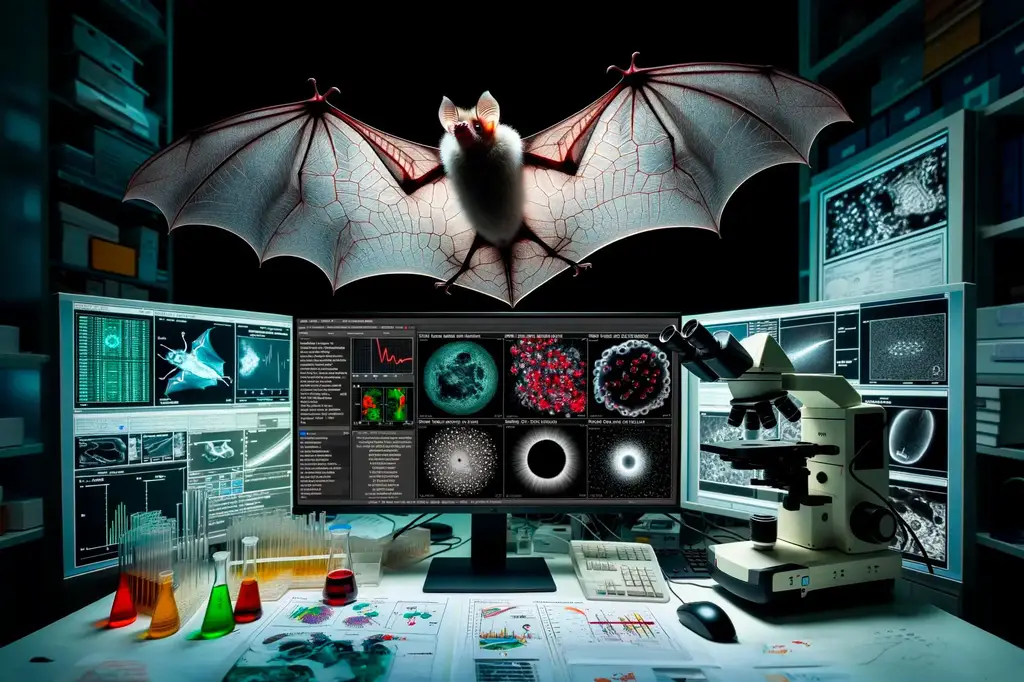
There is one very interesting combination of bats and vampire stories. Bat's tissues renew very fast. And that thing leads to the idea that maybe it's possible to combine bats' immune genomes and genomes that control the renewal of tissue with human genomes. Bats have no cancer, and that makes them interesting. How fast can renewing tissues avoid cancer? The reason why human neurons are not renewing very often is that by denying the renewing neurons, those cells avoid cancer.

Bats are animals that have the fastest-renewing tissues. The skin of their wings can renew very quickly. And that thing makes bats interesting. Their wing tissue's behavior is against the normal genetic model, where fast-renewing cells are the most vulnerable to cancer.

There is no cancer in a bat's tissue, and that thing makes those little flying mammals very interesting. Bats are also immune against many viruses. And that makes them interesting from the point of view of genetic engineering. By studying the bats' genetics and immune systems, researchers hope that they can find out how those abilities can transfer to the use of medical research.


"Bats, the only flying mammals, have an incredibly robust immune system that protects them from viruses harmful to humans and keeps them relatively cancer-free. Scientists from the Cold Spring Harbor Laboratory have found that the answer to this immunity lies in the bats’ genes. Through genomic sequencing, they discovered that bats have undergone rapid evolution, enabling them to defend against infections and cancer more effectively than other mammals." (ScitechDaily.com/Bats to the Rescue: Unraveling Immunity Secrets Against Viruses and Cancer)


"Researchers discovered that horsehair worms manipulate their insect hosts using genes acquired from the hosts themselves, shedding light on the role of horizontal gene transfer in evolution." (ScitechDaily.com/Genetic Thieves: New Research Reveals How Parasites Hijack Host Behavior With Stolen DNA)


Parasites can reprogram their cells to cheat the immune system.


Normally, reprogramming the cell happens by infecting it with RNA. The RNA molecule can be split into cells through ion pumps. Or some genetically engineered bacteria can input the wanted genome into the ion pumps of the cells.

There are many ways to do that. The RNA must destroy the existing DNA and then replace the genomes in the cells with new, fixed DNA. The RNA programs cell factories to make the new DNA. The problem with this technology is that there is a possibility that if the RNA retrovirus used in the reprogramming process escapes, that thing can transform all other cells into single-cell groups like liver cells.

The parasites can steal the DNA from their host. And that thing makes it possible that those things can cheat our immune defense. Because parasites can modify their cell's shell antigens, that has an effect that the immune system cannot recognize and fight against. This ability makes it possible to create artificial cells that will not activate the immune system.

https://scitechdaily.com/bats-to-the-rescue-unraveling-immunity-secrets-against-viruses-and-cancer/

https://scitechdaily.com/genetic-thieves-new-research-reveals-how-parasites-hijack-host-behavior-with-stolen-dna/

China successfully made cracks in the hypersonic thermal barrier.


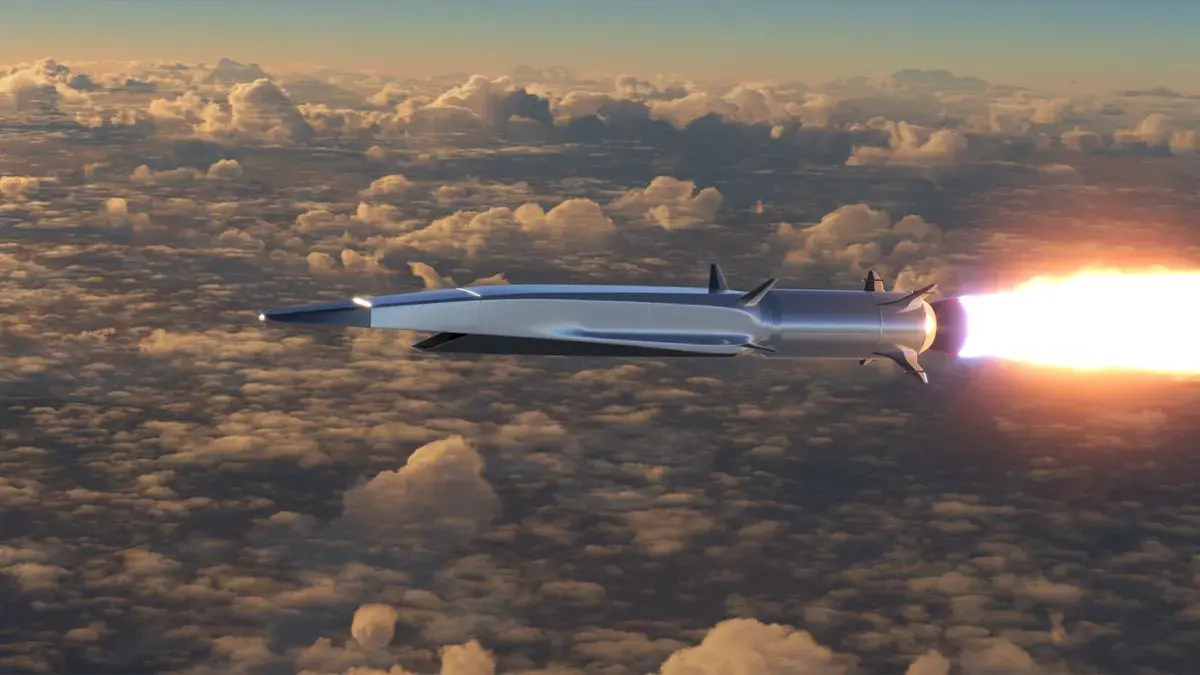
China successfully made cracks in the hypersonic thermal barrier. And that causes pressure on the USA. Hypersonic technology, and especially air-breathing hypersonic crafts and missiles, are things that must be taken seriously. The new ceramic materials are hard enough that they can resist the extremely high temperature at hypersonic speed. Hypersonic aircraft can be used to transport satellites and missiles into orbit. 

They can make a ballistic jump, and those systems reach every target in the world in less than an hour. Bing says that a flight around the world at the lowest possible speed in a hypersonic area, that is, a Mach 5+ flight, takes 1 hour and 25 minutes. The hypersonic drone can send small-size rockets like "Pegasus" and  its successors  into low orbit. There, they can carry cargo like small satellites.

Hypersonic cruise missiles can fly so low that the orbital systems cannot reach them. But it is too high for a regular anti-aircraft system. The hypersonic cruise missile can be installed in the nose of a ballistic missile. The missile can make a ballistic jump outside the atmosphere. Then the missile dives back, and the scramjet engine starts its operation.

Hypersonic air-breathing cruise missiles can have a longer operational range than regular cruise missiles. They can also leap from the atmosphere. And then dive back. That waving trajectory makes them hard targets for defenders. When a hypersonic craft jumps out of the atomosphere, it can shut down its engines. And when it dives back, the hydrogen injection will begin.

Things like rocket scramjets make it possible for the scramjet engine to start operating at low speeds. In rocket scramjets, the flap closes the front of the engine. And then oxygen and fuel will be injected into the combustion chamber. When that system's speed rises to high enough, the system opens the flap. Then the system closes internal oxygen, and the scramjet starts to use atmosheric air. This kind of technology allows for the creation of fast and powerful aircraft and space systems.


https://interestingengineering.com/military/china-hypersonic-hurdle-the-us


https://en.wikipedia.org/wiki/Northrop_Grumman_Pegasus

Robots and dolls.

Ukraine looks to humanoid robots for reconnaissance, logistics, and combat. (Interesting engineering)  Could the character in the famous “Al...